



-
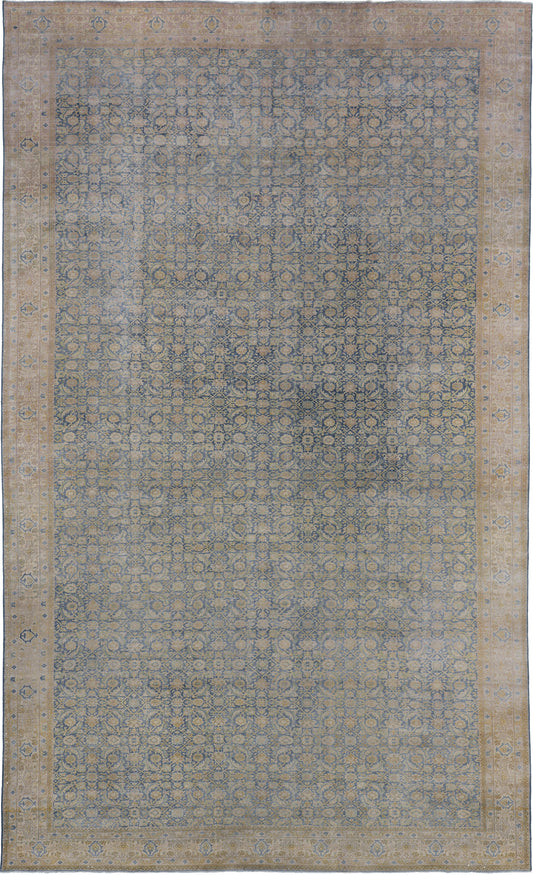
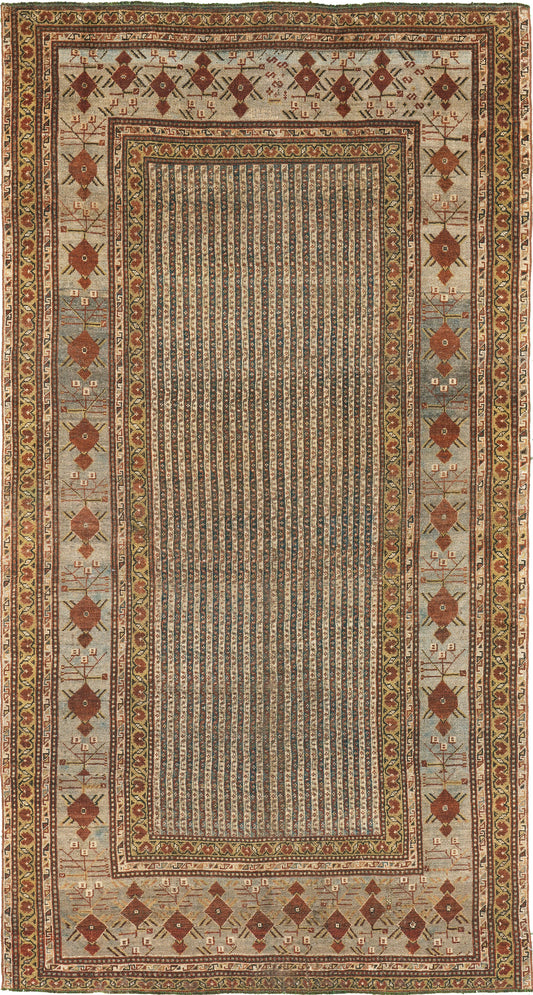
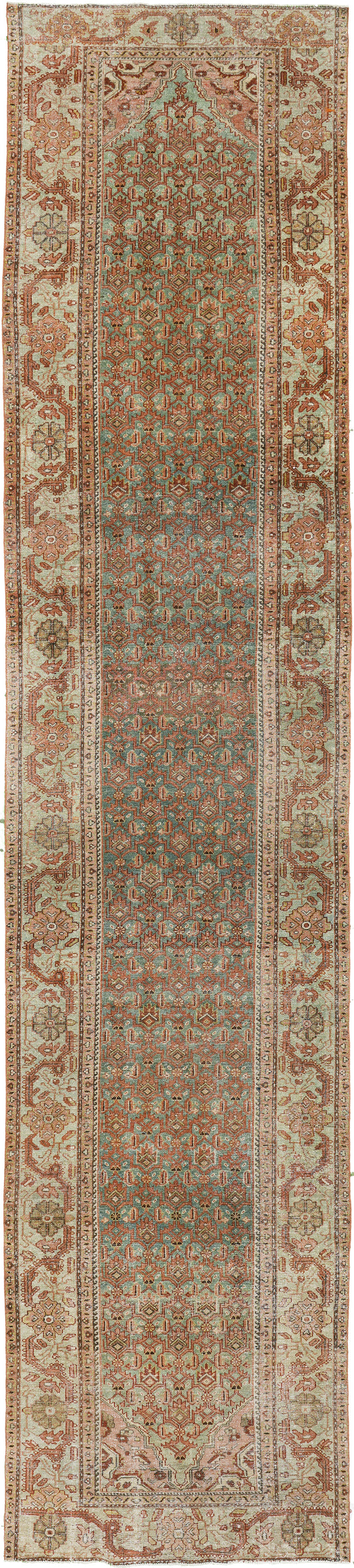
Antique Persian Bidjar Runner 55159
Regular price $11,500.00 USDRegular price Sale price $11,500.00 USDUnit price per -
Antique Persian Serapi Runner
Regular price $9,500.00 USDRegular price Sale price $9,500.00 USDUnit price per -
Antique Persian Tabriz
Regular price $5,800.00 USDRegular price Sale price $5,800.00 USDUnit price per -
Antique Persian Malayer
Regular price $7,500.00 USDRegular price Sale price $7,500.00 USDUnit price per -
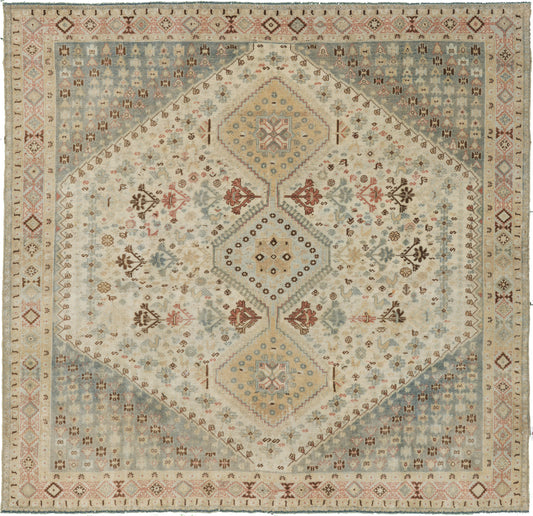
Antique Persian Square Shiraz
Regular price $5,800.00 USDRegular price Sale price $5,800.00 USDUnit price per -
Antique Persian Malayer Runner
Regular price $12,500.00 USDRegular price Sale price $12,500.00 USDUnit price per -
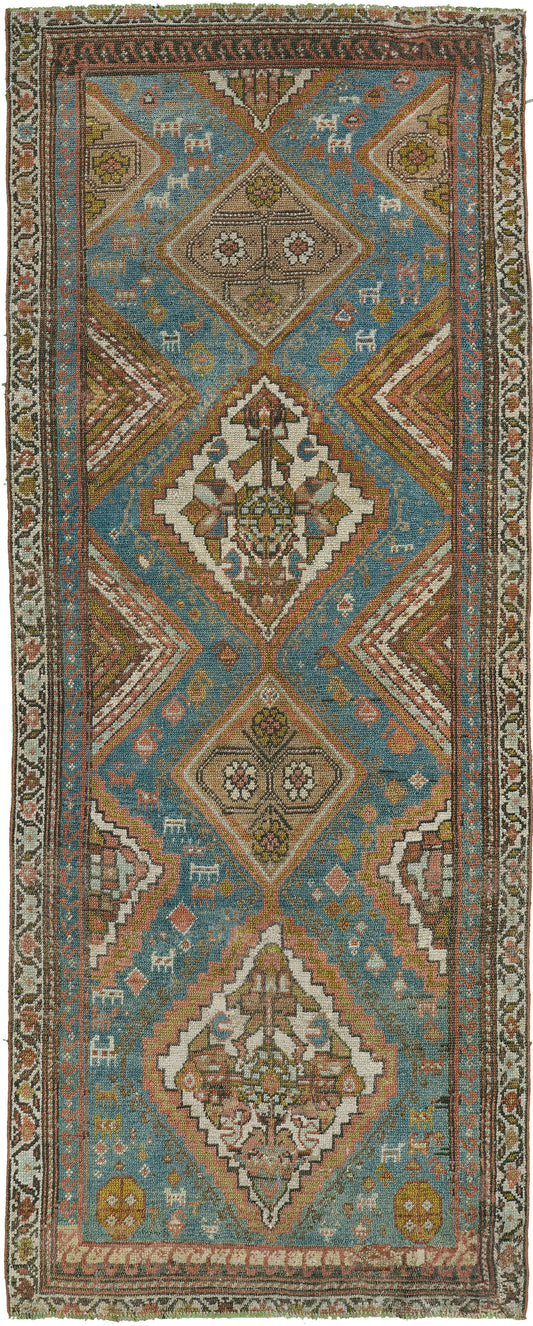
Antique Persian Kurdish Runner
Regular price $6,800.00 USDRegular price Sale price $6,800.00 USDUnit price per -
Antique Persian Khamseh
Regular price $9,000.00 USDRegular price Sale price $9,000.00 USDUnit price per -
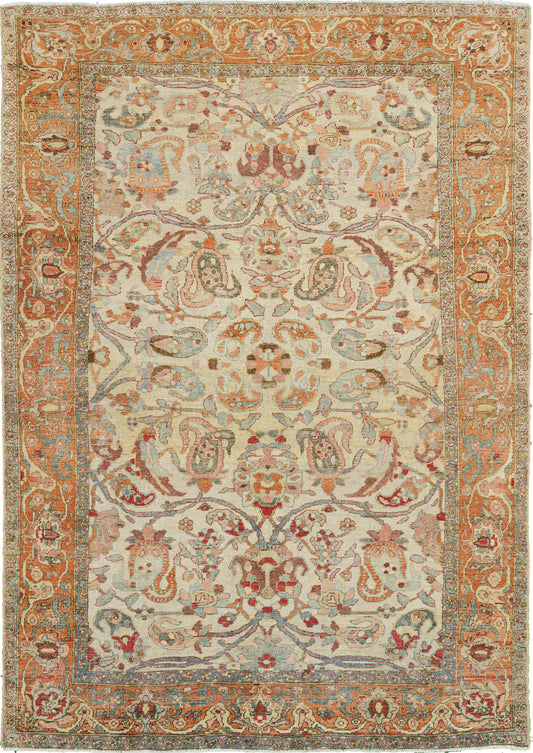
Antique Persian Tabriz
Regular price $8,500.00 USDRegular price Sale price $8,500.00 USDUnit price per -
Antique Persian Malayer Runner
Regular price $12,500.00 USDRegular price Sale price $12,500.00 USDUnit price per -
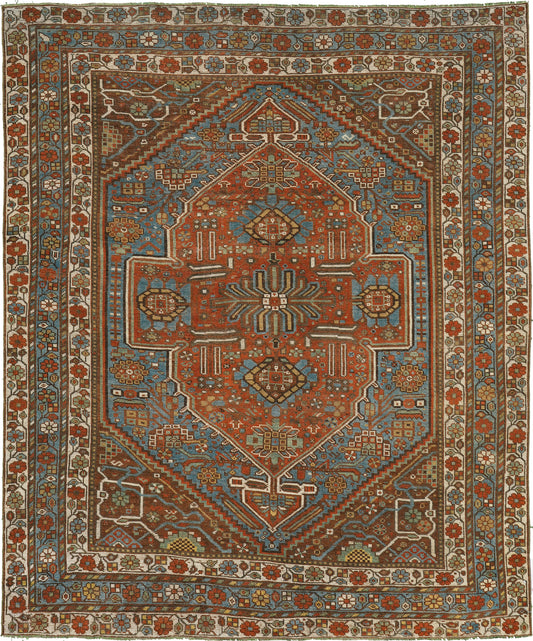
Antique Persian Ghashghaei
Regular price $7,500.00 USDRegular price Sale price $7,500.00 USDUnit price per -
Antique Persian Tabriz
Regular price $11,000.00 USDRegular price Sale price $11,000.00 USDUnit price per -
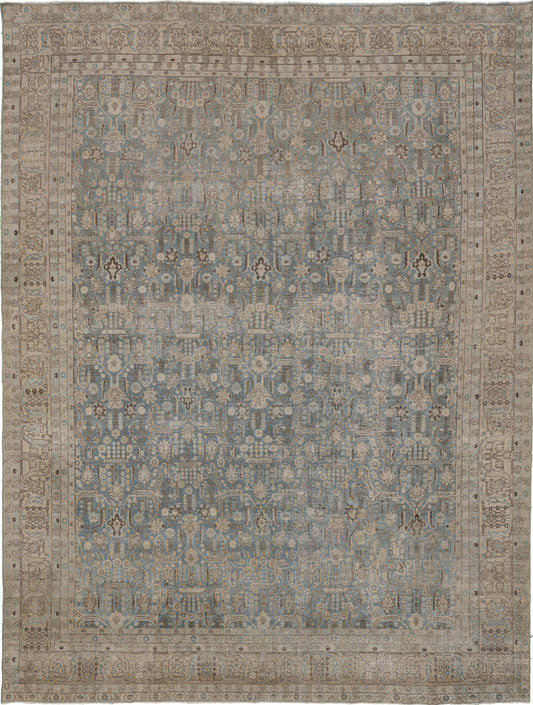
Antique Persian Malayer
Regular price $9,500.00 USDRegular price Sale price $9,500.00 USDUnit price per -
Antique Persian Tabriz
Regular price $14,000.00 USDRegular price Sale price $14,000.00 USDUnit price per





Collapsible content
Learn more about Persian Rug Collection
The Beauty of a Persian Rug: Why They Continue to be an Interior Design Staple
Persian rug have a rich and complex history that is intrinsically linked to the culture and customs of the regions of Iran and surrounding countries. For centuries, these hand-crafted rugs have been used to add beauty and elegance to homes all over the world.
Typically made from wool or silk, these rugs feature intricate patterns and designs that reflect Persian culture and heritage. The history of Persian rugs is a fascinating story that is steeped in tradition and trade and dates back to the 6th century BCE.
In Persia, rugs were often used as currency, and they were exchanged as gifts between rulers. The popularity of these oriental rugs continued to grow, and by the 19th century, they were being exported to Europe and America and coveted by royalty and nobility all over the world. Today, Persian rugs are still highly prized works of art.
Handmade Rugs
A Persian rug is traditionally handwoven by highly skilled artisans, a process that can take months or years to complete. First, the weaver prepares a loom with the warp, the foundation into which the rug will be woven.
Then, the weaver knots each individual strand of wool or silk onto the warp. There are many variations in warp and knot structures used around the world. The motifs of a rug vary significantly across geography and time, and can be key in identifying a rug’s provenance using a variety of traditional patterns and colors.
As the rug starts to take shape, the weaver adds additional details, such as a central medallion and floral-shaped motifs known as Guls or Gols. Once the rug knotting is finished, the rug is removed from the loom, edges are bound, and the rug is washed and stretched. In commercialized productions, the rug undergoes a series of quality control tests to ensure that it meets the highest standards.
Persian rugs are made by a wide variety of methods, from the most traditional hand-knotting technique to more modern power-loomed methods. The quality of a Persian rug is determined not only by the materials used, but also the fineness of weave, and the skill of the artisans who creates it.
Rugs made with hand-spun wool and natural dyes will typically be of higher quality than those made with synthetic materials. As a result, Persian rugs can vary widely in price and quality.
Preparing the fibers
One of the secrets to the longevity of a fine Persian rug is the care that goes into preparing the fibers before they are woven. The process begins by sorting the fibers according to color and quality.
The best fibers are set aside for the rug's pile, while the others are used for the foundation and backing. The next step is to wash the fibers, which helps to remove any impurities and make them more pliable.
Once they are clean, the fibers are ready to be dyed. This is done using a variety of natural dyes, which give Persian rugs their characteristic rich hues. With the fibers dyed and sorted, the weaver can finally begin to create a work of art that will be enjoyed for generations to come.
Traditional dyes used on Persian Rugs
Rugs from Iran are renowned for their intricate designs, their high quality and vibrant and beautiful colors. Often made with natural dyes, their colors range from soft earth tones to rich jewel tones.
Weavers have been using natural dyes for centuries, and the traditional dyeing process is an integral part of Persian rug making. Common natural dyes used are madder root, walnut hulls and indigo, to create the treasured Blue Persian Rug.
Madder root typically produces shades of red, while indigo creates blues and greens. Walnut hulls produce a dark brown color that is often used to create contrast.
To dye the fibers for these exquisite rugs, the artisans must follow a painstaking process that has been passed down through generations. First, the wool, silk or cotton is soaked in a vat of lime water.
This prepares the fibers for dyeing and also helps to set the colors. Next, the fabric is dipped into the dye bath. The fibers are then placed in the sun to dry, before being washed in fresh water. This final step helps to ensure that the colors will not bleed or fade over time. Thanks to this labor-intensive process, Persian rugs are prized for their beauty, durability, and craftsmanship and last for decades with proper care. In addition, the tight weave helps to protect against wear and tear, while the dense pile helps to resist dirt and stains.
A persian rug is a beautiful and luxurious addition to any home. Not only do they add a touch of elegance and sophistication, but they are also a great investment as their value tends to appreciate over time.
Discover Mehraban’s Persian Rugs Collection
A Persian rug is more than décor—it’s a living piece of art that elevates your home. At Mehraban, we offer a curated selection of Persian rugs that combine authenticity, craftsmanship, and timeless style. Browse our collection online or visit our showroom to find the perfect piece that speaks to your story.
Discover our Curated Collection of Green Persian Rugs and Red Persian Rugs
Frequently Asked Questions
What is a Persian rug?
A Persian rug is a hand-knotted or handwoven rug made in Iran, in weaving centers such as Tabriz, Kashan, Heriz, Malayer, and Bidjar. Each region has its own palette, motifs, and structure, so a Persian rug can be read for its origin much like a wine is read for its vineyard. Our collection brings together antique, vintage, and fine pieces from these traditions, selected by hand since 1983.
What is the difference between antique, vintage, and new Persian rugs?
Antique Persian rugs are generally more than 100 years old, while vintage pieces typically date from about 20 to 100 years ago. New rugs are recently woven, often in traditional Persian designs. Age shows in the wool and color, because older rugs carry a softened palette and a low, burnished pile that only decades of use produce. You can browse each group in our antique Persian and vintage Persian collections.
Which types of Persian rugs does Mehraban carry?
Our Persian inventory spans the major weaving regions, including Tabriz, Heriz and Serapi, Malayer, Mahal, Sultanabad, Kashan, Bidjar, Bakhtiari, and fine silk pieces from Qum. Alongside pile rugs, we carry vintage Persian kilims and jejim flatweaves for rooms that call for something flatter and lighter. Every listing notes the rug’s origin and exact size.
How can I tell if a Persian rug is hand-knotted?
Turn the rug over. A hand-knotted Persian rug shows its pattern clearly on the back, with individual knots and small irregularities in each row, and its fringe is the end of the foundation warps instead of a strip sewn on afterward. Machine-made rugs tend to have a perfectly uniform back and a stiffer hand. Our team is happy to walk you through these details on any piece in the showroom.
Do Persian rugs work in modern interiors?
Yes. A Persian rug brings pattern, history, and warmth to a modern room, and that contrast keeps clean-lined architecture from feeling cold. Softer antique palettes and distressed Persian rugs sit especially easily beside contemporary furniture, while bolder Heriz geometry can anchor an open plan. Designers often let the rug carry the room’s color and keep everything else restrained.
How do you care for a Persian rug?
Vacuum a Persian rug regularly without a beater bar, rotate it about once a year for even wear, and keep it out of prolonged direct sunlight. A rug pad protects the foundation and keeps the rug in place. For deep cleaning, a hand-knotted rug should go to a rug specialist, so we offer professional Persian rug cleaning, restoration, and rug pads cut to size.
Can I see a Persian rug in person before buying?
Yes. Our showroom at 545 N. La Cienega Blvd in Los Angeles is open for viewing, and we are glad to arrange a private appointment by phone at (310) 657-4400 or through our contact page. Designers sourcing for a project can also work with us through our trade program.
Persian Rug Styles
Our collections curate the most sought after trends, styles and colors of handmade Persian Rugs.
Hailing from the vibrant city of Tabriz in the East Azerbaijan province of Iran , these rugs epitomize luxury and sophistication. Crafted with meticulous care, Tabriz rugs feature high-quality wool or a blend of wool and silk, with a lustrous silk or cotton foundation. Their designs range from captivating hunting scenes to intricate medallions, found in museum-worthy antique pieces that are treasured around the world.
Mehraban’s Antique Persian Tabriz
The captivating Antique Persian Tabriz Rug is a true treasure that exudes elegance and grace. Crafted with meticulous care and precision, this rug showcases the renowned Tabriz design, known for its intricate patterns and exquisite craftsmanship. Made from high-quality wool, it boasts a plush pile weave that offers a luxurious texture underfoot.
Originating from Iran, the birthplace of Persian rug artistry, this antique masterpiece carries a rich history and cultural significance. Its age lends a sense of authenticity, making it a true collector's item for rug enthusiasts and connoisseurs.
Collapsible content
Learn more about our Persian Rug Styles
Heriz Rugs
With their distinctive bold patterns and vibrant colors, Heriz rugs make a striking statement. The centerpiece of a Heriz rug is a large medallion surrounded by intricately designed corners. Known for their durability, these rugs are crafted to withstand the test of time while infusing any space with warmth and character.
Kashan Rugs
These rugs are renowned for their elegant floral motifs and captivating color palettes. A signature feature of Kashan rugs is their patterned floral field, embellished with a medallion and unique corner designs. Ivory, rich red, and deep blue dominate the color scheme, complemented by occasional bursts of green, yellow, or burnt orange, creating a harmonious visual symphony.
Gabbeh Rugs
In the Zagros Mountains, Gabbeh rugs are woven by skilled Luri and Qashqai weavers. Reflecting a heavy tribal influence, these rugs are characterized by their thick and coarse texture, crafted using handspun wool. Simple yet captivating, Gabbeh rugs feature minimalistic designs on a plush, solid-colored field, radiating warmth through hues of yellow, red, orange, or rust, all derived from natural dyes.
Isfahan Rugs
These masterpieces are meticulously woven using high-quality wool on a foundation of silk or cotton. With a higher knot count and dense construction, Isfahan rugs exude unparalleled luxury. Their symmetrical and balanced designs often showcase a single medallion in shades of rose, blue, or indigo, set against an ivory backdrop and adorned with delicate vine motifs.
Nain Rugs
Nain Rugs are famous for their exquisite texture and meticulous craftsmanship. These rugs feature the finest wool and boast an impressive knot count ranging from 300 to 700 knots per square inch. Delicate and intricately patterned, Nain rugs often showcase branches of green or blue intertwined with small flowers on a light ivory or white background, creating a serene and elegant ambiance.
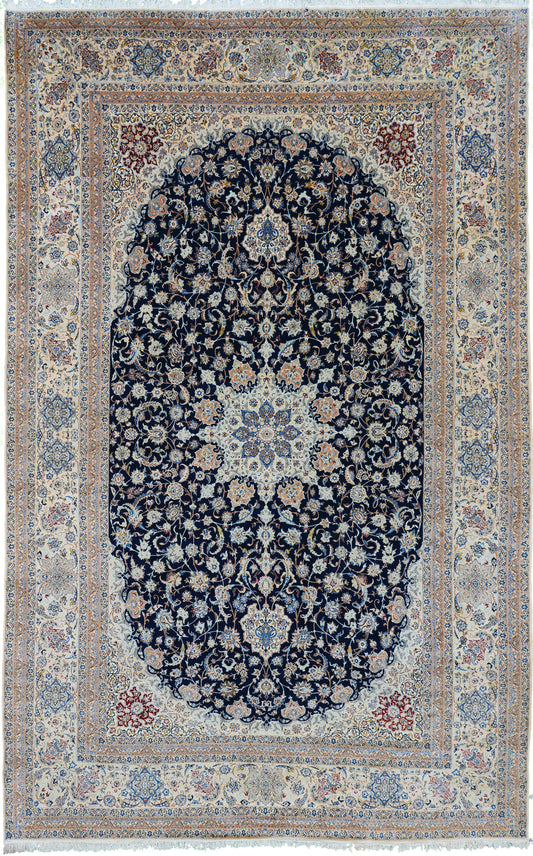
Mehraban’s Extra Fine Persian Nain 6 ply
The extraordinary Extra Fine Persian Nain 6 ply Rug is a true masterpiece that embodies luxury and sophistication. This rug is the epitome of refinement, elevating any space with its exquisite presence.
Impeccably crafted with meticulous attention to detail, this rug showcases the iconic Nain design, known for its intricate floral patterns and timeless elegance. The combination of wool and silk creates a lustrous texture, adding a touch of opulence to the overall aesthetic.
Despite its new age, it honors the rich heritage and techniques of the finest Persian rugs, ensuring its place among the most prized possessions of discerning collectors.
Hamedan Rugs
The city of Hamedan, nestled within the Zagros Mountains, has long been revered as a hub for rug production. Its strategic location along ancient trade routes fostered a vibrant exchange of ideas and techniques, resulting in the development of unique rug designs exclusive to the region. One of the most prominent design elements found in Hamedan rugs is the central medallion. These medallions can vary in shape, from hexagonal to diamond or even octagonal, and are surrounded by intricate floral patterns and borders. They serve as the focal point of the rug, drawing the viewer's attention and adding a sense of symmetry and balance to the overall composition.
Mehraban’ featured Vintage Persian Hamedan
A true masterpiece of timeless beauty and craftsmanship, the Vintage Persian Hamedan Rug is an exceptional rug. It showcases the distinctive Hamedan design, known for its captivating motifs and intricate details.
This rug commands attention and transforms any space into a sanctuary of elegance. Crafted from high-quality wool, it boasts a luxurious texture and a pile weave that invites you to sink your feet into its softness.
Originating from Iran, the birthplace of Persian rug artistry, this vintage gem carries the weight of history and cultural significance. Its age lends a sense of authenticity and character, telling stories of the past and preserving the legacy of Persian rug craftsmanship.
Cultural Heritage and Global Influence
At the heart of Persian rug style lies a rich tapestry of cultural heritage and global influence, transcending mere aesthetics to embody the spirit of Persian art and design.
Persian rug style encompasses a deep-rooted cultural heritage and wields a profound global influence, transcending aesthetics to embody the spirit of Persian art and design. This captivating journey unveils the significance of Persian rugs, delving into their cultural value and impact on the world of interior design.
Within the realm of traditional Persian society, rugs held a revered position beyond their functional purpose. They were symbols of status, prosperity, and taste.
Owning a Persian rug signifies an appreciation for fine craftsmanship and an understanding of the intricate artistry woven into each design.
Passed down through generations, these rugs became cherished family heirlooms, evoking a sense of connection to ancestral roots and preserving cultural identity.
However, the allure of Persian rugs extends far beyond the borders of Iran. Their breathtaking beauty and intricate craftsmanship have mesmerized art enthusiasts and collectors worldwide.
The global appeal of Persian rugs lies in their ability to transcend time and cultural boundaries, captivating individuals with their exquisite designs and timeless elegance.
Persian rugs have left an indelible mark on the world of interior design, inspiring countless trends and styles. Their influence can be witnessed in homes, hotels, and design spaces around the globe.
From luxurious palaces to contemporary residences, Persian rugs bring an air of sophistication and refinement to any setting.
The versatility of Persian rugs is an attribute that sets them apart. Their intricate patterns, vibrant colors, and meticulous craftsmanship effortlessly harmonize with various design aesthetics. Whether it is a traditional interior seeking to embody authenticity or a contemporary space longing for a captivating focal point, Persian rugs seamlessly integrate into diverse design styles.
Beyond their visual allure, Persian rugs carry stories and symbols deeply ingrained in their motifs. Floral patterns represent the abundance of nature and serve as an homage to the Persian love for gardens.
Geometric designs symbolize cosmic harmony and spiritual balance. Each rug is a testament to the cultural values and artistic expressions of its weaver, serving as a canvas where history and creativity converge.
The impact of Persian rugs extends well beyond individual spaces. These masterpieces have become ambassadors of Persian culture, capturing the imaginations of people across borders and continents.
Their presence in museums and exhibitions showcases the exceptional skill of Persian weavers and celebrates the profound artistic legacy they have left behind.
Red Persian Rugs
-
Antique Persian Bidjar Runner 55159
Regular price $11,500.00 USDRegular price Sale price $11,500.00 USDUnit price per -
Antique Persian Ghashghaei
Regular price $7,500.00 USDRegular price Sale price $7,500.00 USDUnit price per -
Vintage Persian Kashan
Regular price $14,500.00 USDRegular price Sale price $14,500.00 USDUnit price per -
Antique Persian Isfahan
Regular price $67,000.00 USDRegular price Sale price $67,000.00 USDUnit price per
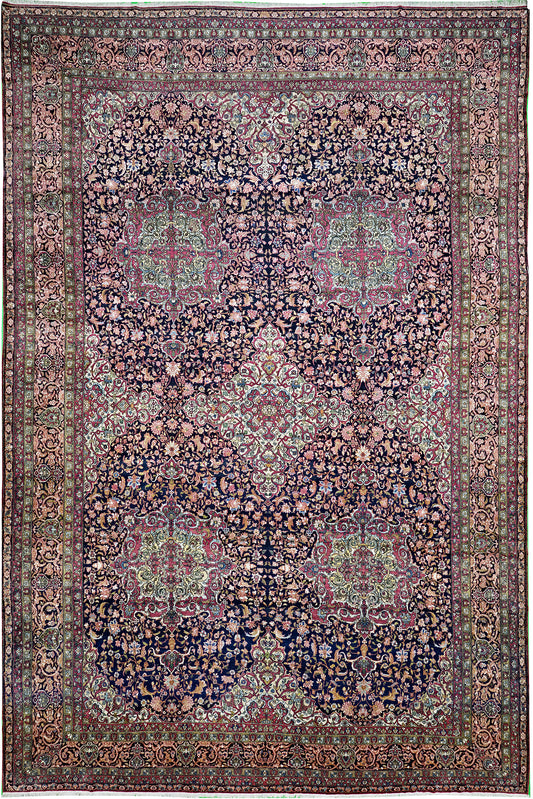
More Collections of Persian Rugs
-

Fine Persian Rugs
The fine Persian rugs in our Los Angeles showroom come from the...
-

Distressed Persian Rugs
A distressed Persian rug brings a sense of calm that feels both...
-

Heriz Rugs and Serapi Rugs
Heriz Rugs That Anchor Contemporary Rooms With Heritage Heriz rugs bring a...
-
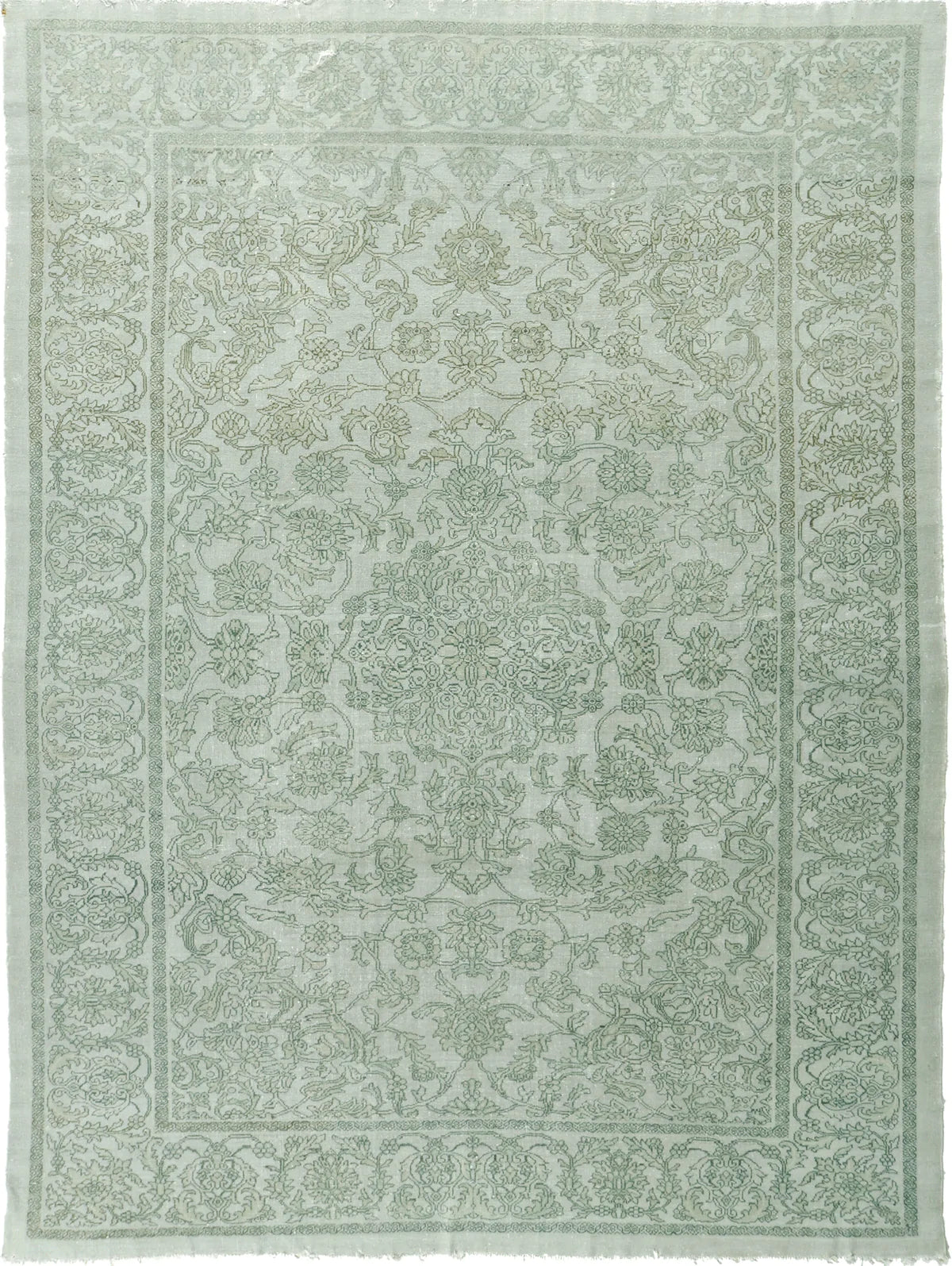
Green Persian Rugs
What Makes a Green Persian Rug Different From Other Green Rugs A...
-

Pink Persian Rugs
In the world of Persian rugs, the infusion of pink hues unveils...
-

Cream Persian Rugs
Have you ever wondered how to make your home feel more inviting...
-

Antique Persian Rugs
Antique Persian rugs are hand woven carpets that were made in Iran...


-

Blue Persian Rugs
The blue Persian rugs in our Los Angeles showroom are mostly antique...
-
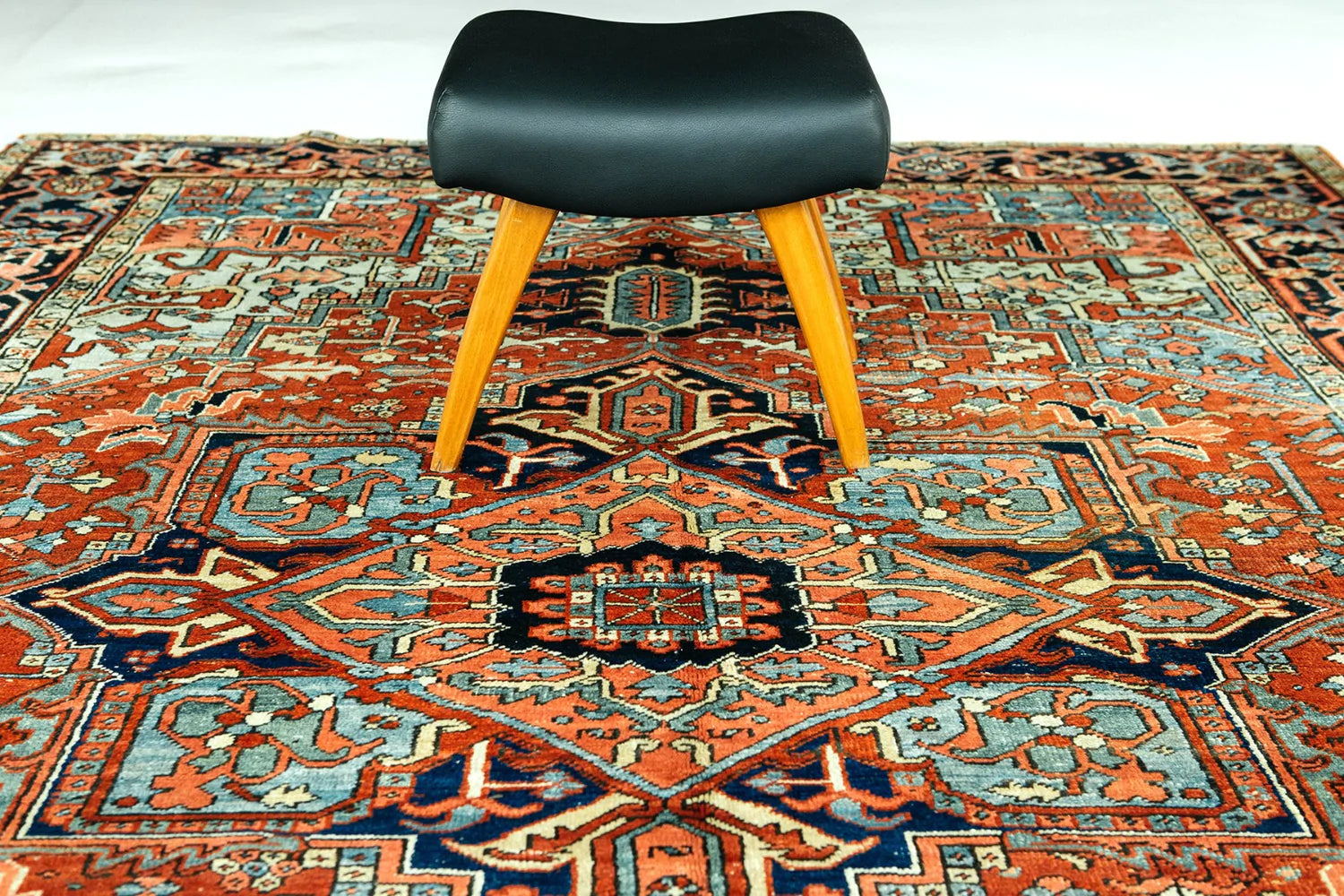
Vintage Persian Rugs
The vintage Persian rugs in our Los Angeles showroom were woven across...

Persian Rugs on Sale
View all-
Vintage Persian Kashan 29778 LT153-1
Regular price $4,950.00 USDRegular price $8,300.00 USD Sale price $4,950.00 USDUnit price perSale -
Vintage Northwest Persian Kilim 26405
Regular price $1,500.00 USDRegular price $2,300.00 USD Sale price $1,500.00 USDUnit price perSale -
Persian Edel Kilim Flat Weave Rug - Modern Rugs Los Angeles | Mehraban 26247
Regular price $3,900.00 USDRegular price $6,680.00 USD Sale price $3,900.00 USDUnit price perSale -
Persian Edel Kilim Flat Weave Rug - Los Angeles Rugs | Mehraban 26246
Regular price $3,650.00 USDRegular price $6,100.00 USD Sale price $3,650.00 USDUnit price perSale


Collapsible content
All you need to know about Rugs from Iran
Rugs from Iran: A Timeless Tradition of Craftsmanship
Iran, formerly known as Persia, has been the center of exquisite rug-making for centuries, with Iranian rugs revered around the world for their beauty, craftsmanship, and cultural significance. The unique appeal of these rugs lies in their rich history, traditional weaving techniques, diverse styles, and the vibrant regional rug centers scattered across the country. Here’s an in-depth look at what makes rugs from Iran so special.
A Rich History of Persian Rugs
The history of rug-making in Iran dates back over 2,500 years, with the art form evolving through the influence of various dynasties and cultures. Some of the oldest surviving examples, such as the Pazyryk rug, found in a Siberian tomb and believed to date back to the 5th century BCE, illustrate the deep roots of Iranian rug artistry.
Throughout the centuries, Persian rugs were not merely utilitarian items but were deeply intertwined with the social, political, and religious fabric of Iran. Dynasties like the Safavids (1501–1736) were particularly instrumental in elevating rug weaving to a national art, with Shah Abbas I establishing royal workshops and encouraging artisans to refine and expand their techniques. This era saw the creation of many of the timeless designs and motifs that define Persian rugs today.
Traditional Weaving Techniques
Iranian rugs are hand-woven using ancient techniques passed down through generations. Every knot is tied with precision, often using a method known as the Persian or asymmetric knot, which allows for greater detail and intricacy in patterns. These rugs can have up to a million knots per square meter, reflecting the extraordinary craftsmanship behind each piece.
The wool, silk, and cotton fibers used in Persian rugs are meticulously sourced, with wool often coming from local sheep breeds and silk used in more luxurious pieces. The dyeing process is just as traditional, employing natural dyes derived from plants, roots, insects, and minerals to create the vibrant yet earthy color palettes that define these rugs.
#### Diverse Styles of Iranian Rugs
Iranian rugs come in an array of styles, each with its unique character. Some of the most famous styles include:
Isfahan Rugs: Known for their precise designs and floral patterns, Isfahan rugs often feature a central medallion surrounded by intricate arabesques and delicate flower motifs. The city’s rug weavers are considered some of the finest in the country.
Kashan Rugs: Kashan is another renowned center of rug production, famous for its finely knotted wool or silk rugs with traditional Persian designs. These rugs often incorporate royal blue, deep red, and ivory tones with elaborate patterns featuring florals and medallions.
Tabriz Rugs: Originating from one of the oldest rug-weaving centers, Tabriz rugs are known for their wide variety of designs and high knot density. They frequently feature hunting scenes, vine motifs, and geometric designs, making them highly sought after by collectors.
Heriz Rugs: These are more rustic and bold in design, typically featuring large geometric medallions and stylized floral patterns. Their sturdy construction and durable wool make them ideal for high-traffic areas.
Qashqai Rugs: These tribal rugs, created by nomadic peoples, are known for their lively, geometric designs and vibrant color schemes. Each piece is unique, reflecting the personal creativity and heritage of the weavers.
Major Rug Centers in Iran
Iran is home to several important rug-weaving centers, each with its distinct approach to design, technique, and material usage.
1. Tabriz: Located in the northwest of Iran, Tabriz is one of the oldest and most famous rug-producing cities. Rugs from Tabriz are known for their fine workmanship and high knot density, making them some of the most sought-after pieces.
2. Isfahan: Isfahan rugs are synonymous with elegance and precision. This central city has produced some of the most intricate and artistically complex rugs in Iran. Designs from Isfahan often showcase a perfect blend of color and proportion, featuring elaborate motifs.
3. Kashan: Located in central Iran, Kashan has been a hub of rug-making for centuries. Kashan rugs are prized for their use of high-quality wool and silk, and their designs typically feature luxurious floral and arabesque patterns.
4. Mashhad: The city of Mashhad in northeastern Iran is known for producing large, richly colored rugs. These rugs often feature intricate floral and medallion patterns and are typically woven from wool dyed in deep shades of red, blue, and cream.
5. Kerman: Situated in southeastern Iran, Kerman is renowned for its high-quality carpets with densely packed floral motifs. Kerman rugs are often distinguished by their beautiful colors, and the region is known for producing some of the largest and most intricate rugs in Iranian history.
The Timeless Appeal of Iranian Rugs
What sets Iranian rugs apart is the combination of ancient traditions with ever-evolving styles. While preserving centuries-old techniques, Iranian weavers have continued to innovate, allowing these rugs to fit seamlessly into both classic and contemporary interiors. Whether it's a sophisticated silk Isfahan rug gracing a formal living room or a robust Heriz rug grounding a modern space, Persian rugs remain a symbol of elegance, history, and fine craftsmanship.
In conclusion, rugs from Iran are much more than floor coverings; they are works of art steeped in history, tradition, and regional diversity. From the ancient weaving techniques to the stunning designs, every rug tells a story, reflecting the soul of Iranian culture. Whether you're a collector or simply seeking a piece to elevate your space, Iranian rugs offer timeless beauty and lasting quality.