


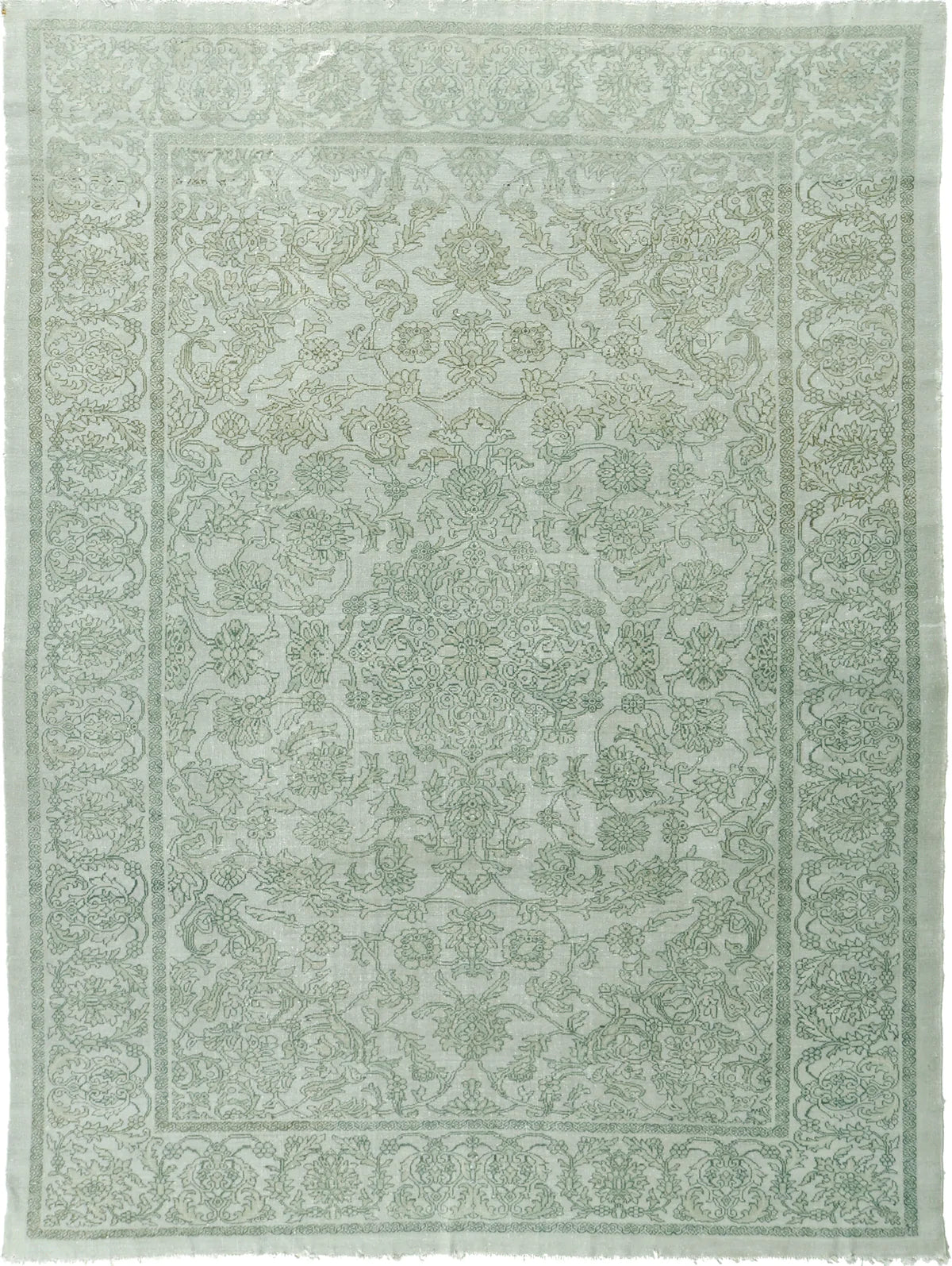
-
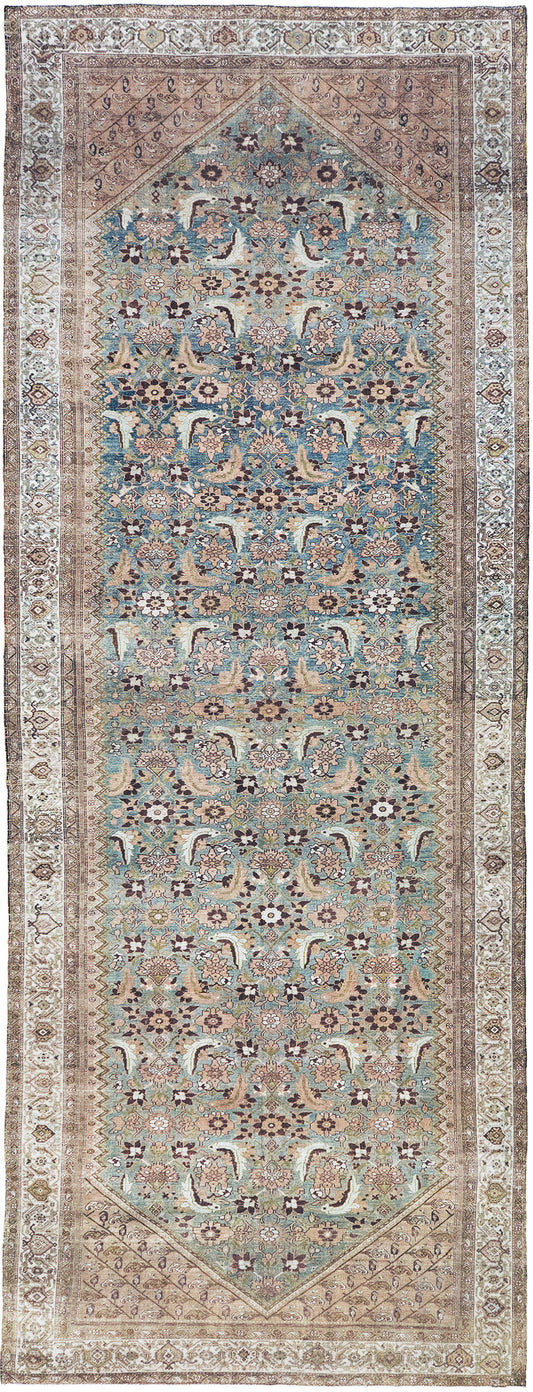
Antique Persian Malayer Runner
Regular price $8,500.00 USDRegular price Sale price $8,500.00 USDUnit price per -
Antique Persian Malayer Runner
Regular price $11,500.00 USDRegular price Sale price $11,500.00 USDUnit price per -
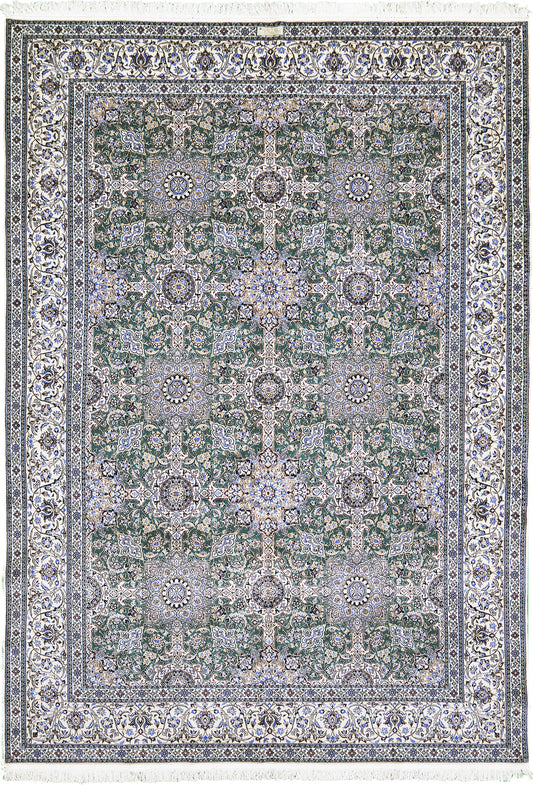
Fine Persian Nain
Regular price $18,000.00 USDRegular price Sale price $18,000.00 USDUnit price per -
Vintage Fine Persian Square Tabriz
Regular price $9,500.00 USDRegular price Sale price $9,500.00 USDUnit price per -
Antique Persian Malayer Runner
Regular price $14,000.00 USDRegular price Sale price $14,000.00 USDUnit price per -
Vintage Ex-Fine Persian Silk Qum
Regular price $2,400.00 USDRegular price Sale price $2,400.00 USDUnit price per -
Vintage Fine Persian Tabriz
Regular price $2,800.00 USDRegular price Sale price $2,800.00 USDUnit price per -
Persian Silk Qum
Regular price $9,500.00 USDRegular price Sale price $9,500.00 USDUnit price per -
Antique Persian Sarab Runner 30190
Regular price $4,750.00 USDRegular price Sale price $4,750.00 USDUnit price per -
Antique Persian Malayer
Regular price $4,700.00 USDRegular price Sale price $4,700.00 USDUnit price per -
Antique Persian Malayer
Regular price $2,400.00 USDRegular price Sale price $2,400.00 USDUnit price per -
Antique Persian Malayer
Regular price $5,800.00 USDRegular price Sale price $5,800.00 USDUnit price per -
Fine Vintage Persian Isfahan
Regular price $7,500.00 USDRegular price Sale price $7,500.00 USDUnit price per -
Antique Persian Malayer Runner
Regular price $6,200.00 USDRegular price Sale price $6,200.00 USDUnit price per
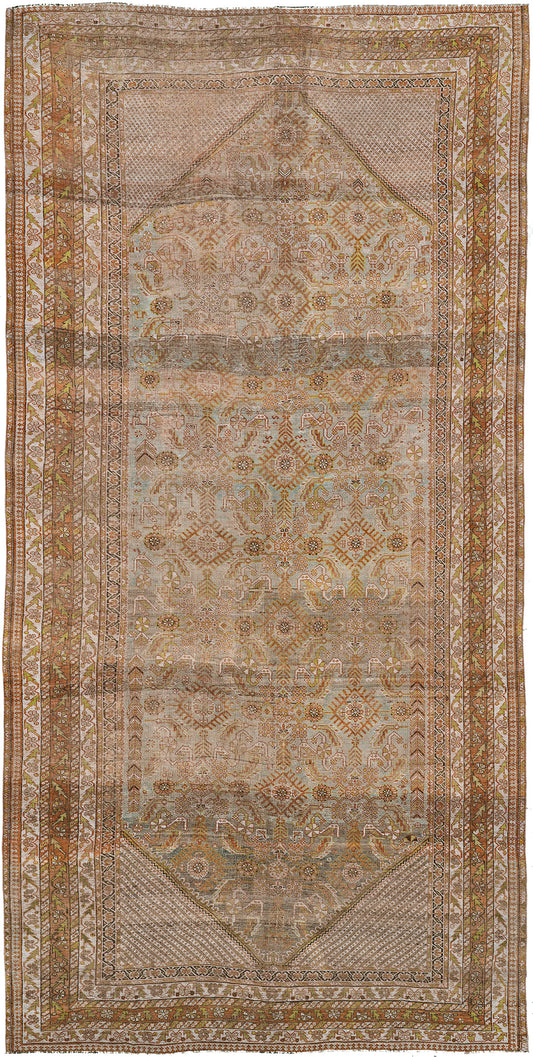
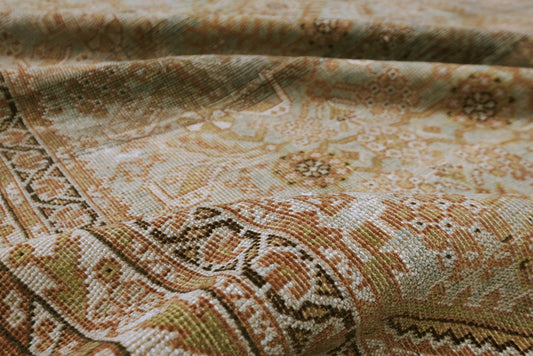
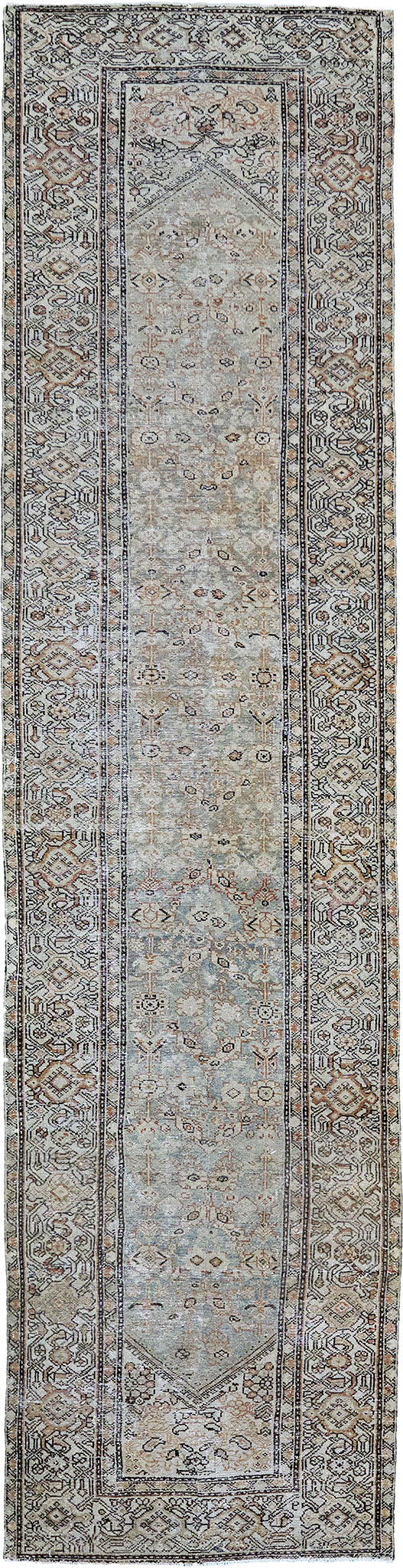

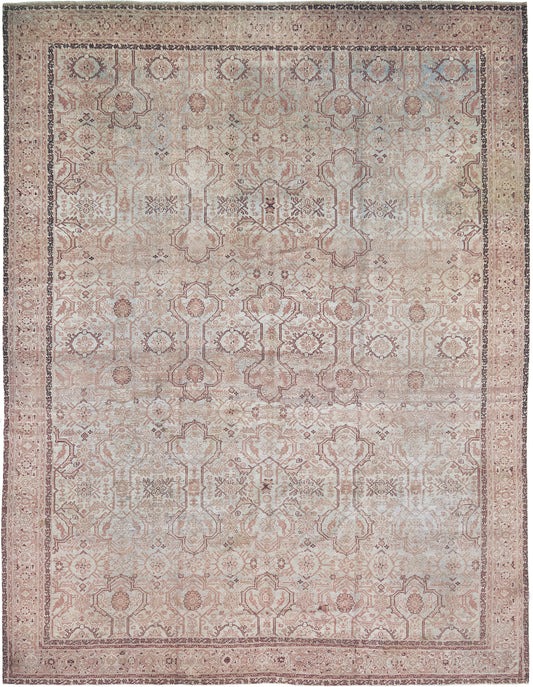
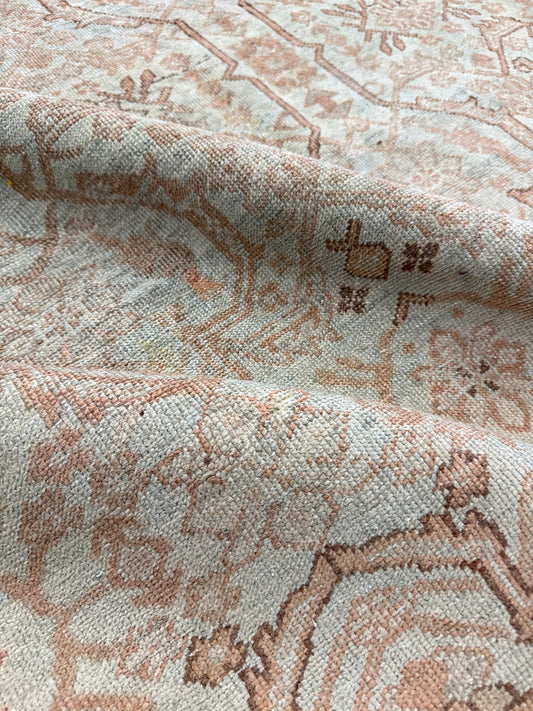
![Antique Persian Tabriz - one-of-a-kind handmade area rug [#36]](http://mehraban.com/cdn/shop/files/32948_e4d173c6-273e-448c-adb9-da8bfc1ee64c.jpg?v=1775673779&width=533)
![Antique Persian Tabriz - overhead flat lay view [#36]](http://mehraban.com/cdn/shop/files/32948_7_0612c37a-70e8-4f40-9b38-a66c8874140b.jpg?v=1775673778&width=533)


![Antique Persian Malayer Runner - narrow runner - one-of-a-kind handmade area rug [#19]](http://mehraban.com/cdn/shop/files/32893.jpg?v=1772839701&width=533)
![Antique Persian Malayer Runner - narrow runner - overhead flat lay view [#19]](http://mehraban.com/cdn/shop/files/32893_6.jpg?v=1772840662&width=533)
![Vintage Ex-Fine Persian Silk Qum - pure silk - one-of-a-kind handmade area rug [#1]](http://mehraban.com/cdn/shop/files/32887.jpg?v=1772839695&width=533)
![Vintage Ex-Fine Persian Silk Qum - pure silk - overhead flat lay view [#1]](http://mehraban.com/cdn/shop/files/32887_4.jpg?v=1772840980&width=533)
![Vintage Fine Persian Tabriz - one-of-a-kind handmade area rug [#1]](http://mehraban.com/cdn/shop/files/32884.jpg?v=1772839690&width=533)
![Vintage Fine Persian Tabriz - overhead flat lay view [#1]](http://mehraban.com/cdn/shop/files/32884_7.jpg?v=1772841077&width=533)
![Persian Silk Qum - pure silk - one-of-a-kind handmade area rug [#1]](http://mehraban.com/cdn/shop/files/31972.jpg?v=1725059200&width=533)
![Persian Silk Qum - pure silk - overhead flat lay view [#1]](http://mehraban.com/cdn/shop/files/31972_4.jpg?v=1725060559&width=533)

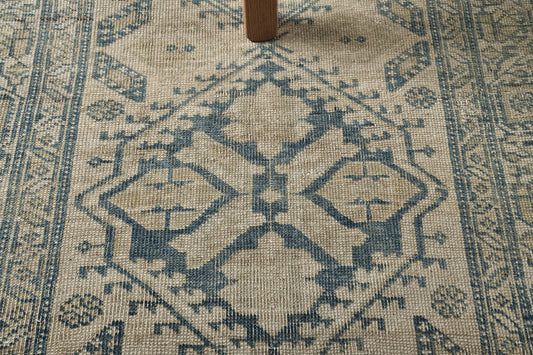
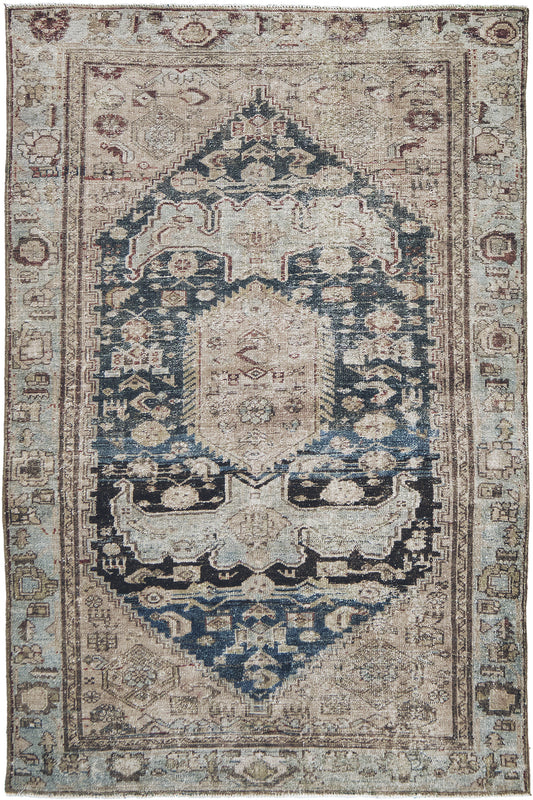
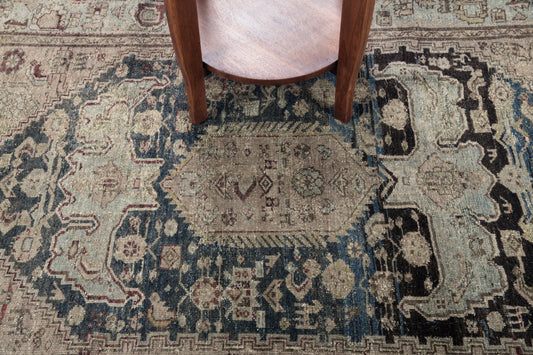
![Antique Persian Malayer - one-of-a-kind handmade area rug [#18]](http://mehraban.com/cdn/shop/files/32761.jpg?v=1761861681&width=533)
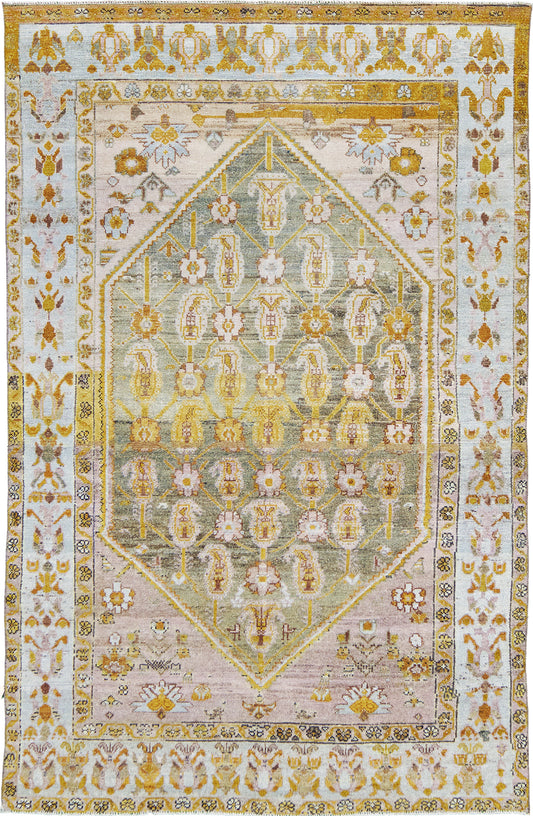
![Antique Persian Malayer - overhead flat lay view [#14]](http://mehraban.com/cdn/shop/files/32592_8.jpg?v=1760046093&width=533)
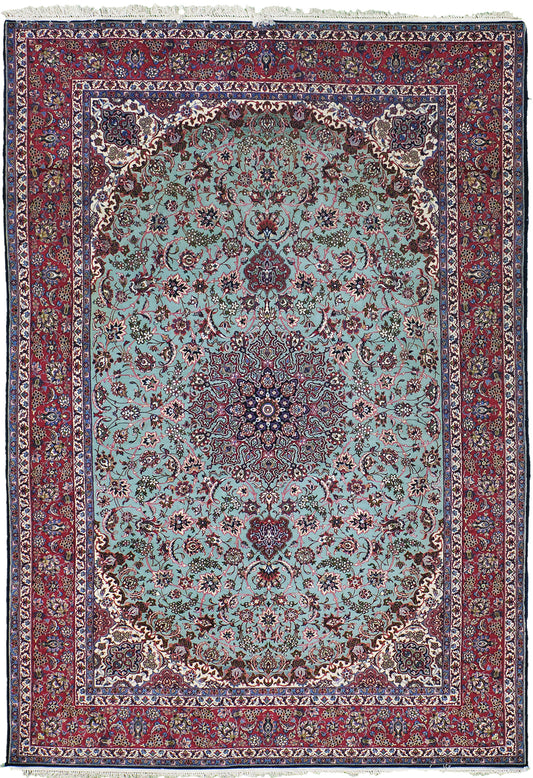
![Antique Persian Malayer Runner - narrow runner - one-of-a-kind handmade area rug [#4]](http://mehraban.com/cdn/shop/files/32037copy.jpg?v=1745534069&width=533)
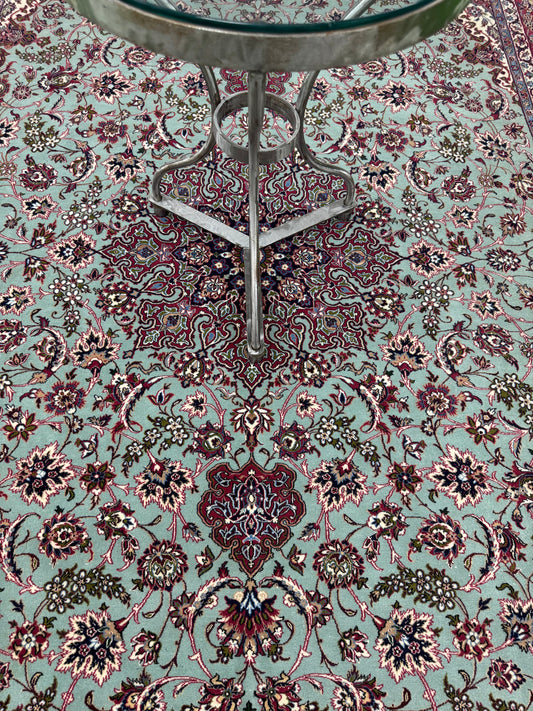
![Antique Persian Malayer Runner - narrow runner - overhead flat lay view [#4]](http://mehraban.com/cdn/shop/files/32037s-_3.jpg?v=1745534069&width=533)
![Antique Persian Kashan - one-of-a-kind handmade area rug [#1]](http://mehraban.com/cdn/shop/files/31986_45c76583-e8d4-4030-8c40-5eb527470a05.jpg?v=1726005821&width=533)
![Antique Persian Kashan - overhead flat lay view [#1]](http://mehraban.com/cdn/shop/files/31986s-_9.jpg?v=1726005966&width=533)
Collapsible content
More About Green Persian Rugs
What Makes a Green Persian Rug Different From Other Green Rugs
A green Persian rug is not defined by color alone. The difference comes from how the rug is made, the materials used, and the traditions behind its patterns. While many rugs use green as a surface shade, Persian rugs use it as part of a deeper design system built on balance, age-old techniques, and natural materials.
This is why a green Persian rug looks grounded instead of flat. The color feels layered, settled, and connected to the pattern rather than printed on top of it.
What Defines a True Green Persian Rug
A true green Persian rug is hand-knotted using traditional methods passed down through generations. Each knot is tied by hand, creating a dense structure that gives the rug weight, flexibility, and long-term durability.
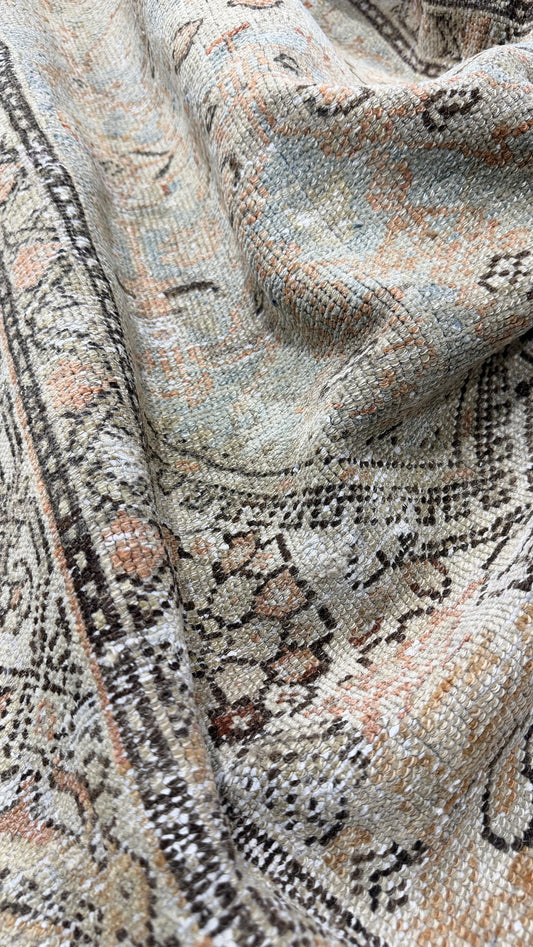
These rugs are made with natural wool that holds dye differently than synthetic fibers. The result is a softer green tone that shifts slightly across the surface, giving the rug movement and depth instead of a single flat shade. You can see how this craftsmanship carries across styles in Mehraban’s broader Persian rug collection, where color and structure work together rather than compete.
How Green Persian Rugs Are Made
Hand Knotted Construction vs Machine Made Rugs
Hand-knotted rugs are built knot by knot on a loom. This process creates a tight foundation that allows patterns to stay clear even as the rug ages. Machine-made green rugs often rely on printed designs or glued fibers, which wear down faster and lose definition over time.
With a green Persian rug, the color is part of the knot itself. This means the rug ages evenly and maintains its look instead of thinning out in patches.
Natural Wool and Dye Techniques
Wool used in Persian rugs absorbs dye deeply. Green shades are often created by layering plant-based dyes rather than using one synthetic pigment. This process produces tones that feel muted, earthy, and calm instead of bright or shiny.
Because the dye penetrates the wool, the color wears slowly and evenly. Over time, the green softens rather than fading abruptly.
Why Green Looks Different in Persian Rugs
Green in Persian rugs rarely appears alone. It works as a grounding tone that supports surrounding colors like ivory, rust, navy, and soft browns.
Layered Tones and Abrash
Abrash refers to natural color variation within the wool. In green Persian rugs, this shows up as subtle shifts from olive to moss or sage to forest green. These variations add visual interest without making the rug feel busy.
Instead of reading as uneven, the color feels alive and textured.
Pattern and Color Balance
Persian patterns are designed to distribute color evenly across the rug. Green often anchors the design, allowing more detailed motifs to stand out without overwhelming the space. This balance is one reason green Persian rugs work well in both traditional and modern interiors.
Green Persian Rugs vs Other Green Rugs
A green Persian rug differs clearly from other green rugs in several ways.
Printed rugs rely on surface ink rather than dyed fibers, which leads to faster wear and flat color. Tufted rugs may use wool but lack the structural strength of hand-knotted pieces. Flatweave rugs use different techniques that result in lighter texture and less depth.
Persian rugs combine hand-knotting, wool quality, and layered dyes. This creates a rug that feels substantial and visually calm rather than decorative only.
Durability and Everyday Use
Green Persian rugs are well-suited for daily life. Wool fibers naturally resist crushing and bounce back under foot traffic. The layered green tones also help disguise minor wear, making them practical for living rooms, dining areas, and shared spaces.
For homes that prefer a softer, aged appearance from the start, distressed styles offer the same structure with a quieter surface look. You can see how this approach changes the finish while keeping the foundation intact in the distressed Persian rug collection.
How to Identify an Authentic Green Persian Rug
Authentic pieces share a few clear traits.
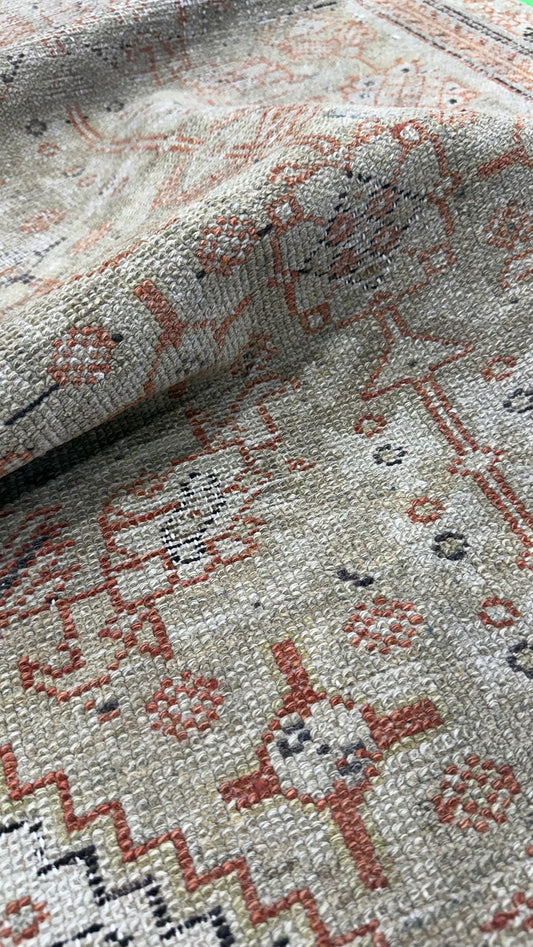
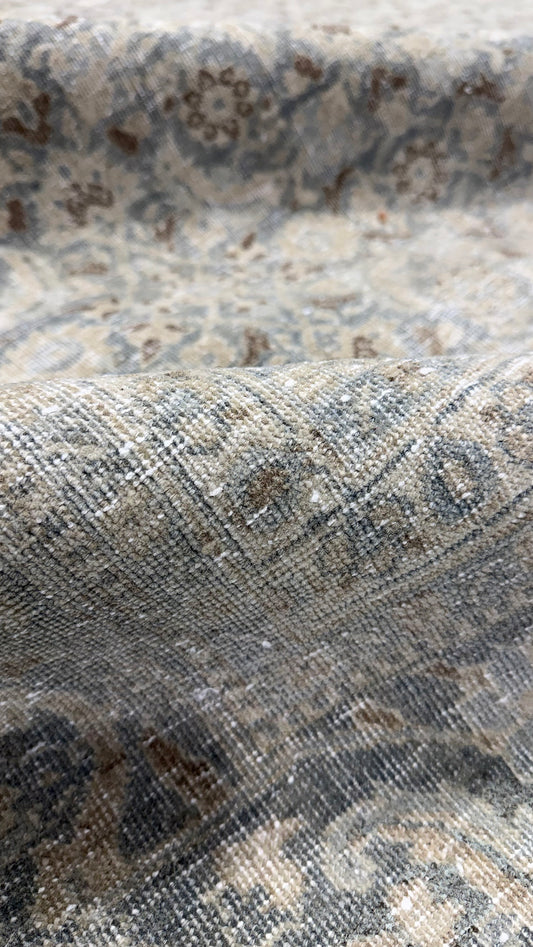
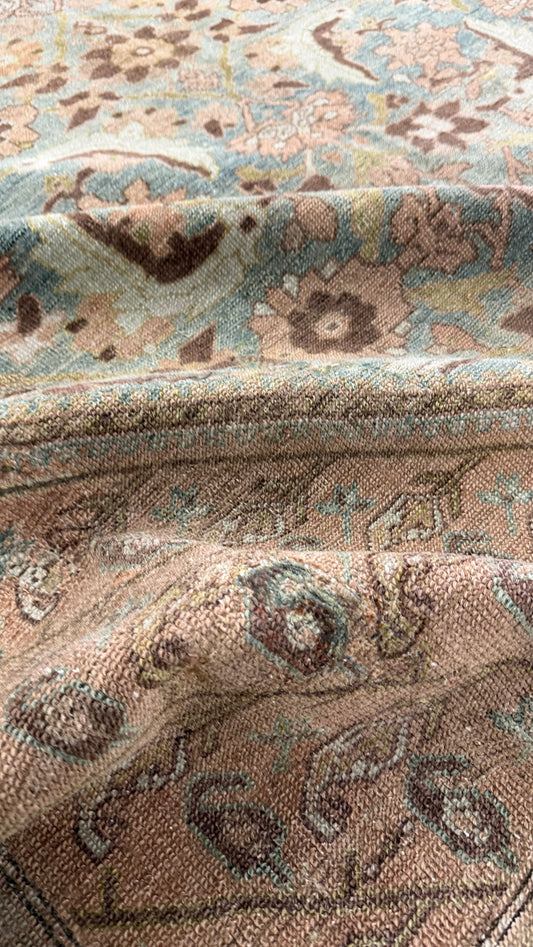
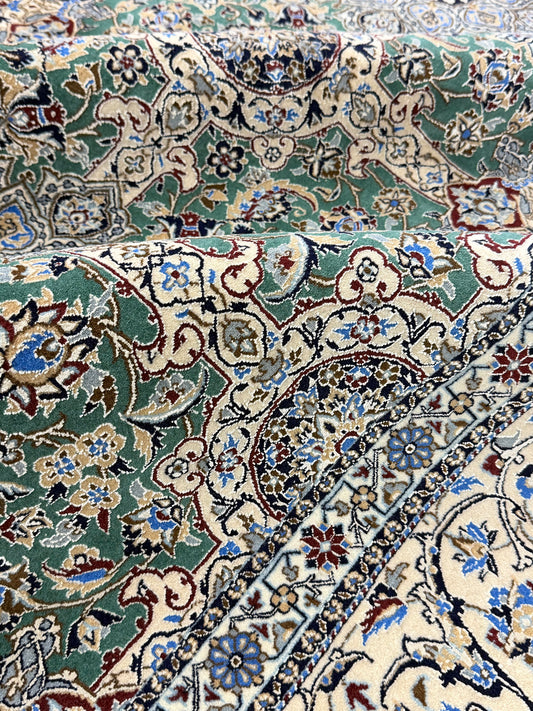
Look at the back of the rug. You should see individual knots rather than a uniform grid. The wool should feel dense but flexible, not stiff or slick. Colors should appear matte, with slight variation rather than uniform shine.
Patterns will look sharp but not printed. Lines may feel slightly organic rather than perfectly straight, which is a sign of handwork rather than a flaw.
Choosing the Right Green Persian Rug for Your Space
Lighter greens like sage or olive work well in smaller rooms or spaces with limited natural light. Deeper greens like forest or emerald suit larger rooms and open layouts where the rug can anchor furniture.
Pattern scale matters as well. Large motifs suit open areas, while finer patterns work better in compact rooms. Consider how much contrast you want between the rug and your existing furniture and floors.
Why Green Persian Rugs Work Across Design Styles
Green Persian rugs adapt easily to different interiors. In modern spaces, they add warmth without clashing with clean lines. In traditional rooms, they reinforce a sense of history and texture.
Wood floors, neutral sofas, and natural materials all pair well with green tones. This flexibility makes green Persian rugs a long-term choice rather than a trend-driven one.
Caring for a Green Persian Rug
Regular vacuuming without a beater bar helps protect the wool. Rotate the rug every few months to ensure even wear. For deeper cleaning, professional washing is recommended to protect the dyes and fibers.
Avoid harsh chemicals, as they can strip natural dyes and flatten the wool’s texture.
Green Persian Rugs in the Mehraban Collection
Mehraban’s green Persian rugs are chosen for balance, material quality, and craftsmanship. Many pieces draw inspiration from older designs, including antique patterns that emphasize depth and harmony. You can explore how age and design influence color and structure in the antique Persian rug collection.
Each rug is selected to feel settled from day one while continuing to age gracefully over time.
Frequently Asked Questions
What makes a green Persian rug different from other green rugs?
A green Persian rug is hand-knotted rather than machine-made, which gives it a stronger structure and longer lifespan. The green color comes from dyed wool fibers, not surface printing, so the tone has depth and wears evenly over time.
Are green Persian rugs made with natural dyes?
Many green Persian rugs use plant-based or mineral dyes applied directly to wool. These dyes create layered green tones that appear softer and more complex than synthetic coloring.
Do green Persian rugs fade over time?
Green Persian rugs do not fade quickly when cared for properly. The color slowly softens as the wool ages instead of losing pigment in patches.
Are green Persian rugs suitable for high-traffic areas?
Yes, hand-knotted wool construction makes green Persian rugs durable enough for living rooms, dining areas, and hallways. Wool fibers naturally resist crushing and help the rug maintain its shape.
How can I tell if a green Persian rug is authentic?
An authentic green Persian rug shows individual knots on the back rather than a flat backing. The wool will feel dense and flexible, and the color will appear matte with slight natural variation.