-
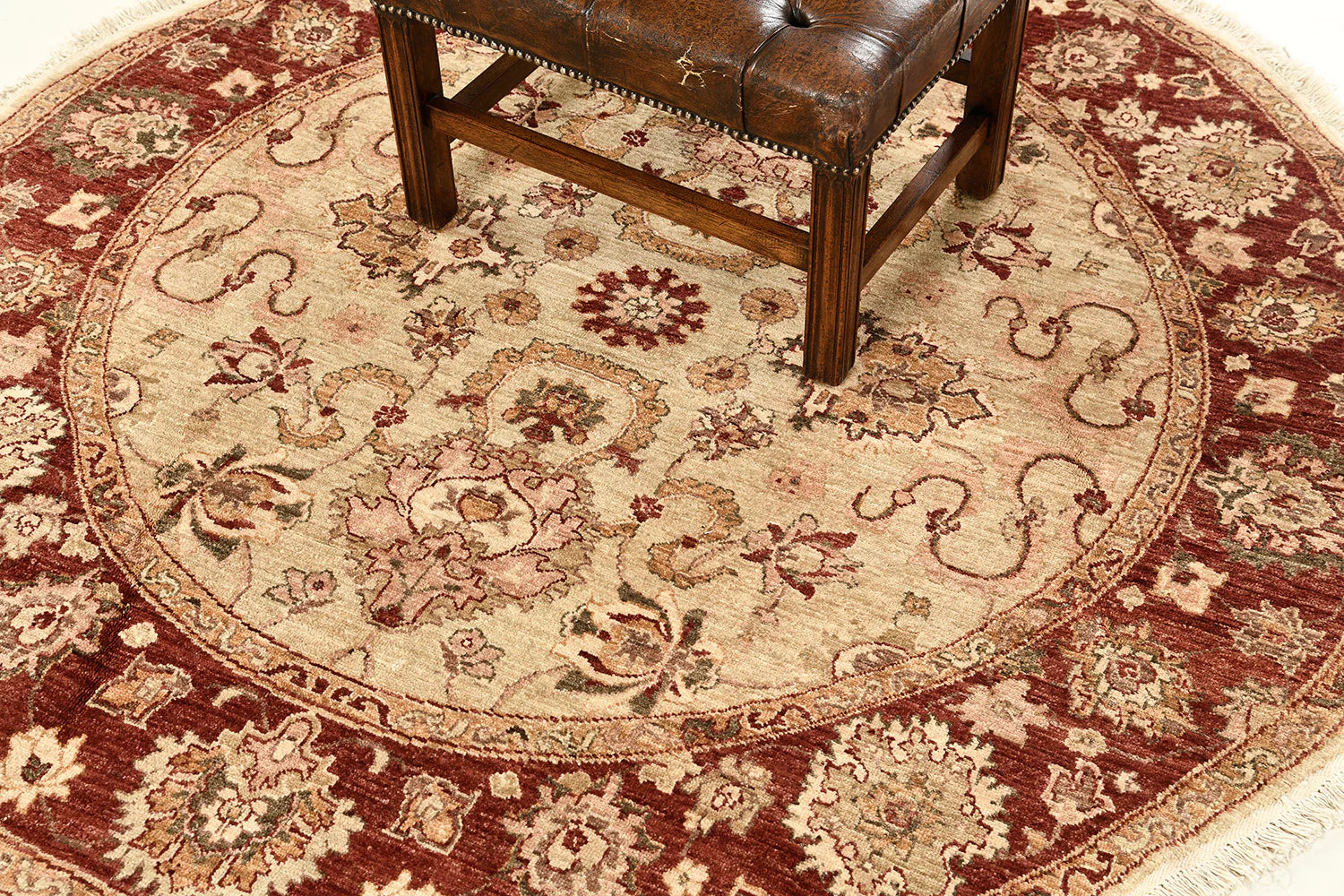
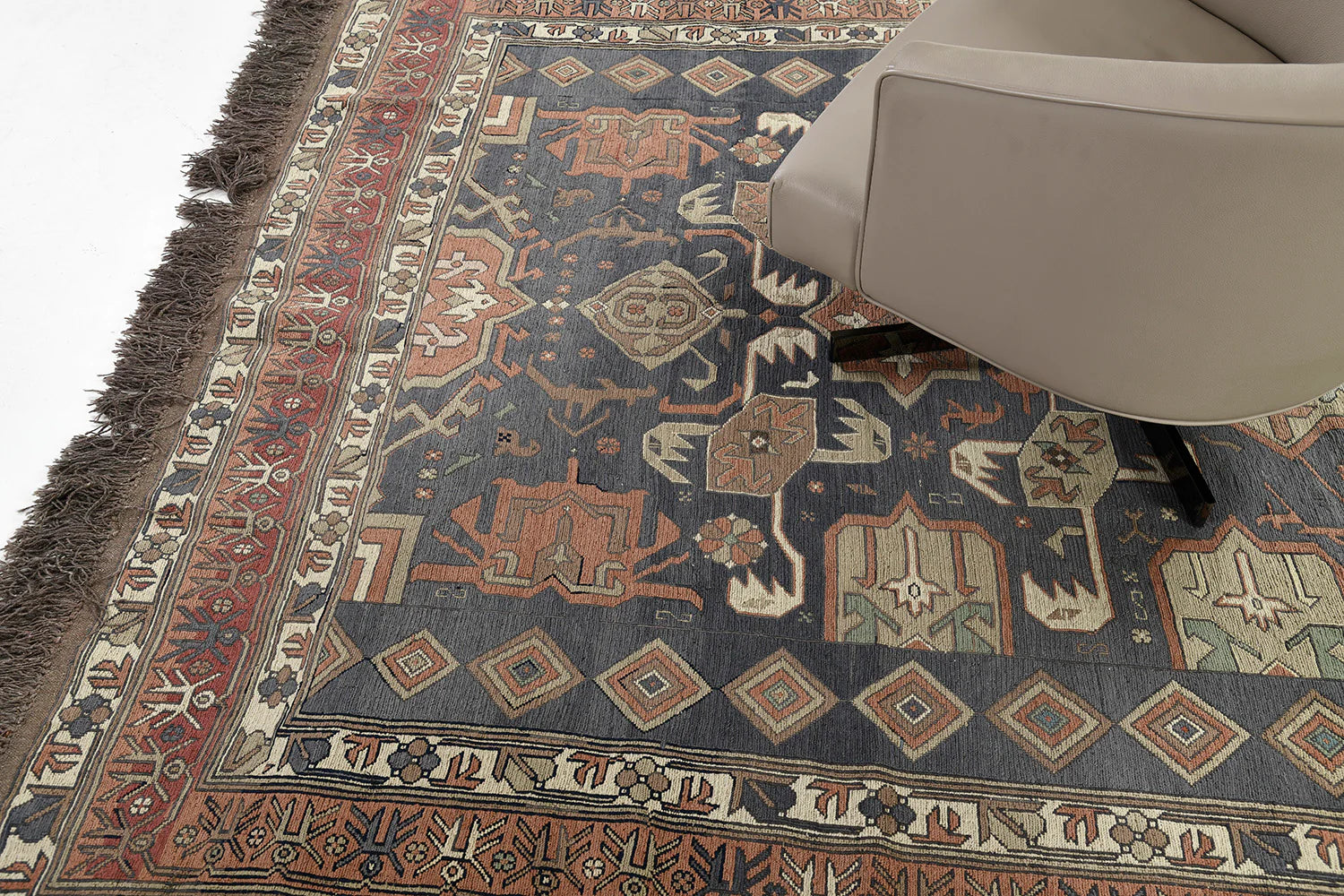
Vintage Persian Azerbaijan Runner
Regular price $12,250.00 USDRegular price Sale price $12,250.00 USDUnit price per -
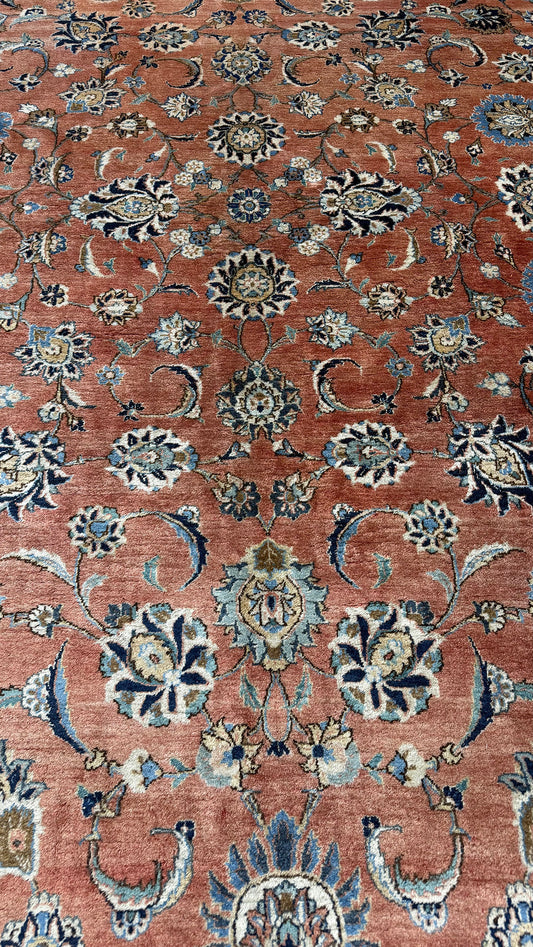
Vintage Persian Kashan
Regular price $14,500.00 USDRegular price Sale price $14,500.00 USDUnit price per -
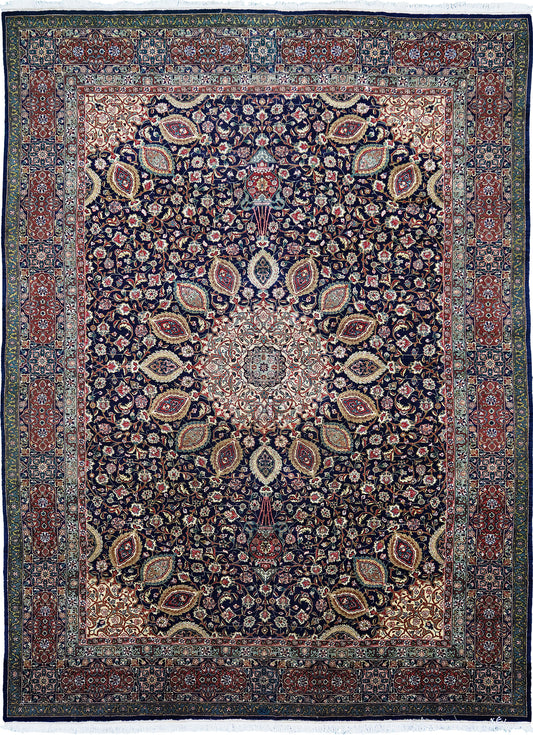
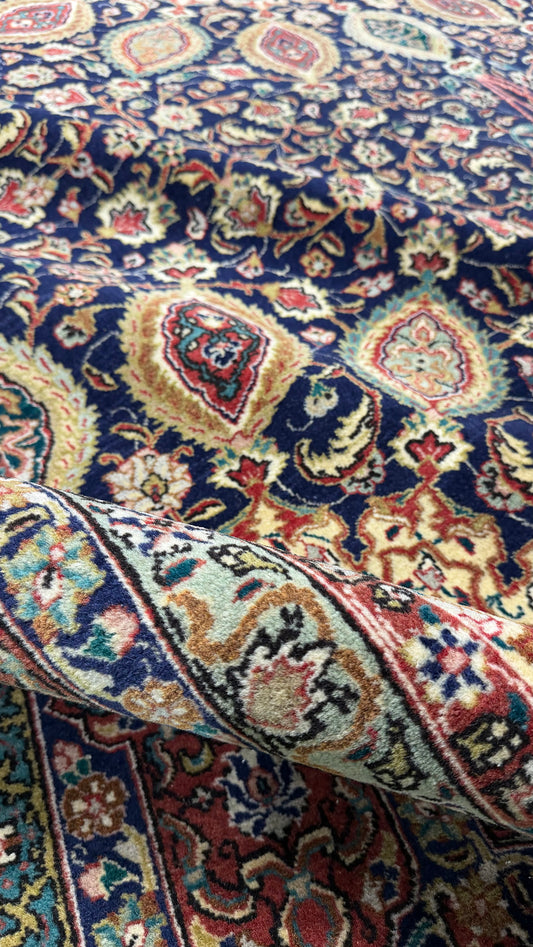
Vintage Persian Tabriz
Regular price $12,000.00 USDRegular price Sale price $12,000.00 USDUnit price per -
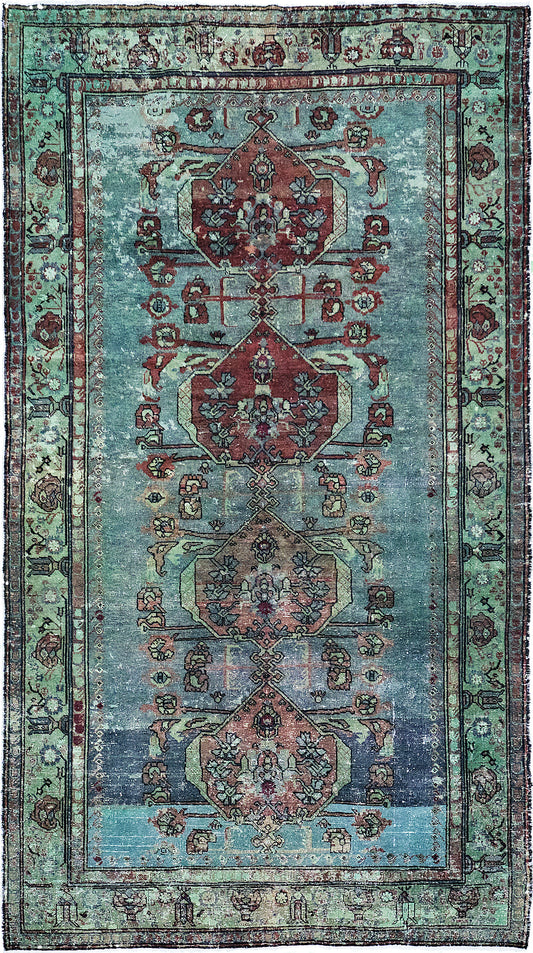
Overdyed Vintage Turkish Rug
Regular price $3,800.00 USDRegular price Sale price $3,800.00 USDUnit price per -
Vintage Persian Kashan
Regular price $17,500.00 USDRegular price Sale price $17,500.00 USDUnit price per -
Fine Vintage Persian Hamedan
Regular price $14,500.00 USDRegular price Sale price $14,500.00 USDUnit price per -
Vintage Style Tabriz Revival Rug
Regular price $9,700.00 USDRegular price Sale price $9,700.00 USDUnit price per -
Vintage Distressed Persian Tabriz
Regular price $13,800.00 USDRegular price Sale price $13,800.00 USDUnit price per -
Fine Vintage Pure Silk Qum
Regular price $3,500.00 USDRegular price Sale price $3,500.00 USDUnit price per -
Vintage Turkish Anatolian
Regular price $15,800.00 USDRegular price Sale price $15,800.00 USDUnit price per -
Vintage Turkish Anatolian
Regular price $5,500.00 USDRegular price Sale price $5,500.00 USDUnit price per -
Vintage French Savonnerie
Regular price $11,500.00 USDRegular price Sale price $11,500.00 USDUnit price per -
Vintage Style English Needle Point Revival
Regular price $17,900.00 USDRegular price Sale price $17,900.00 USDUnit price per -
Vintage Moroccan Azilal
Regular price $7,500.00 USDRegular price Sale price $7,500.00 USDUnit price per -
Vintage African Tuareg Mat Runner
Regular price $9,500.00 USDRegular price Sale price $9,500.00 USDUnit price per -
Vintage Moroccan Kilim Patchwork Runner
Regular price $3,800.00 USDRegular price Sale price $3,800.00 USDUnit price per -
Vintage Turkish Kilim Runner
Regular price $3,800.00 USDRegular price Sale price $3,800.00 USDUnit price per -
Vintage Turkish Kilim Runner
Regular price $4,500.00 USDRegular price Sale price $4,500.00 USDUnit price per
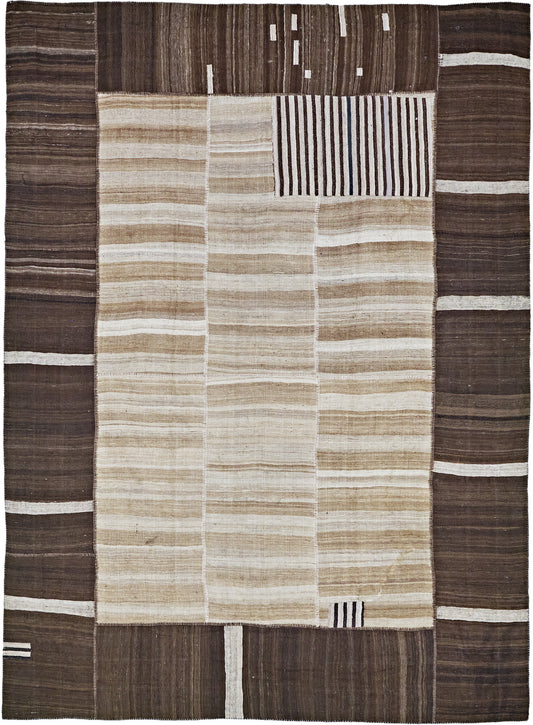
![Vintage Style Tribal Natural Dye Flat Weave Kilim - flat-weave kilim - one-of-a-kind handmade area rug [#21]](http://mehraban.com/cdn/shop/products/24976.jpg?v=1672871258&width=533)
![Vintage Style Tribal Natural Dye Flat Weave Kilim - flat-weave kilim - overhead flat lay view [#21]](http://mehraban.com/cdn/shop/products/24976s-_1.jpg?v=1672871258&width=533)

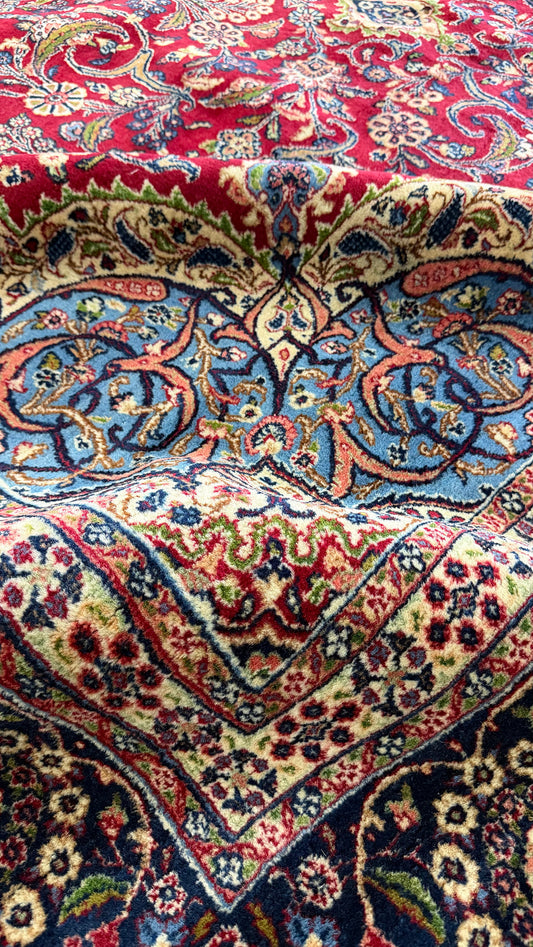
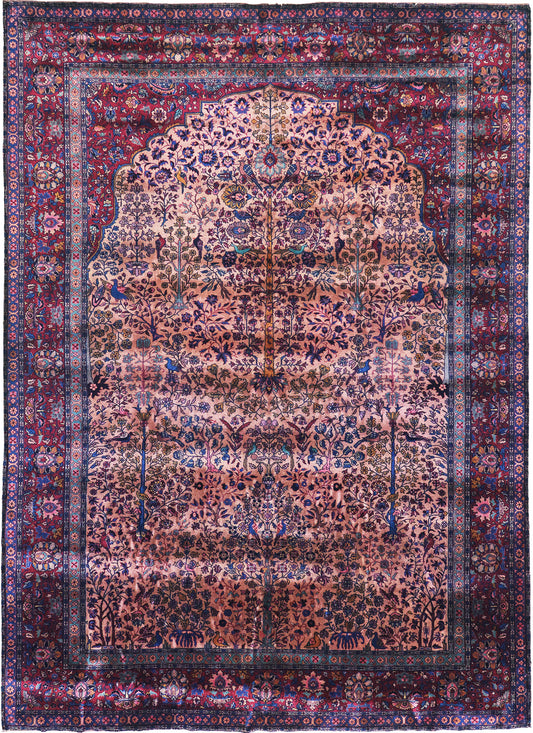
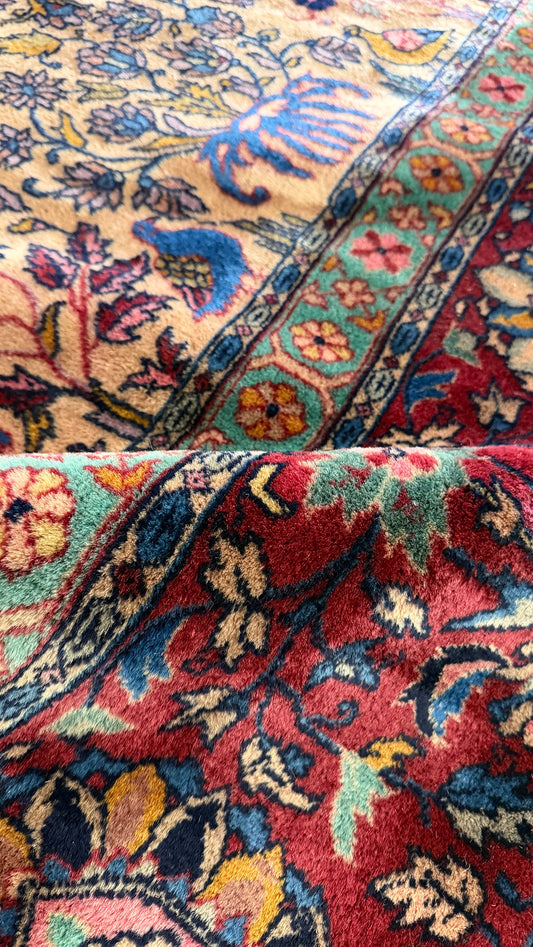
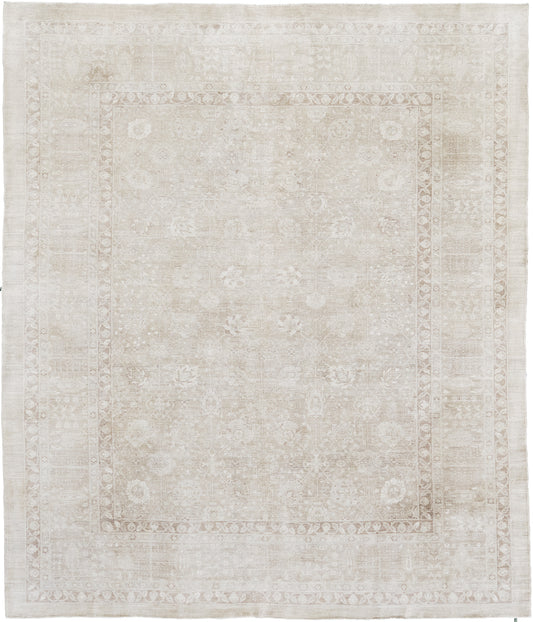
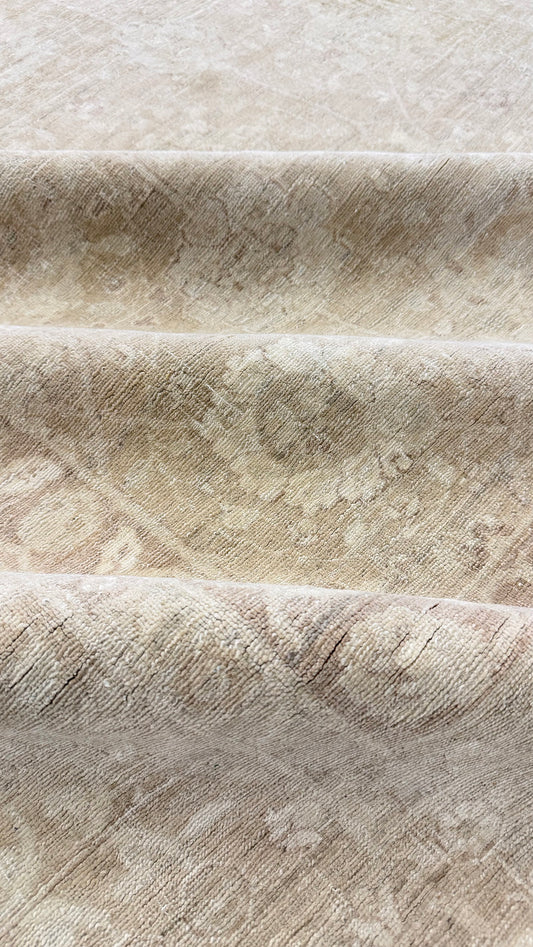
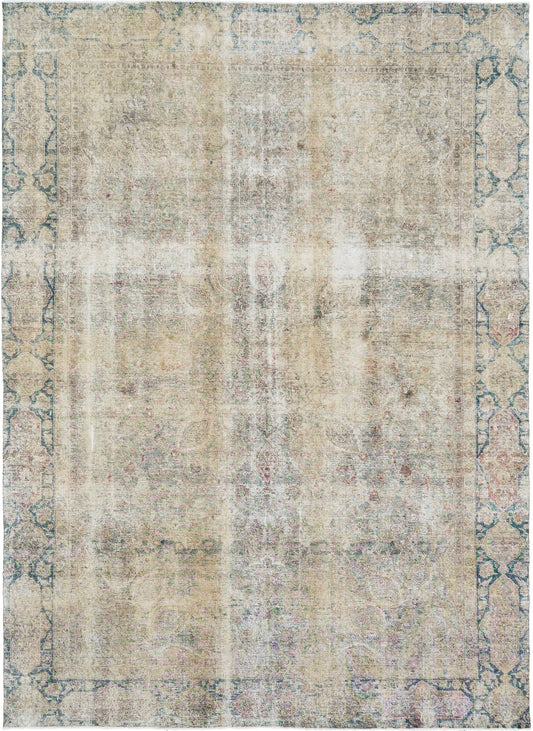
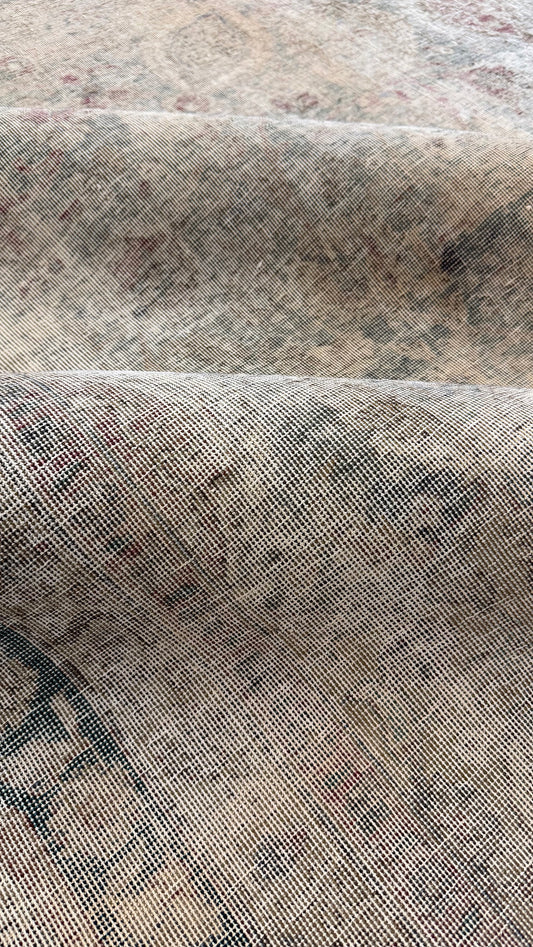
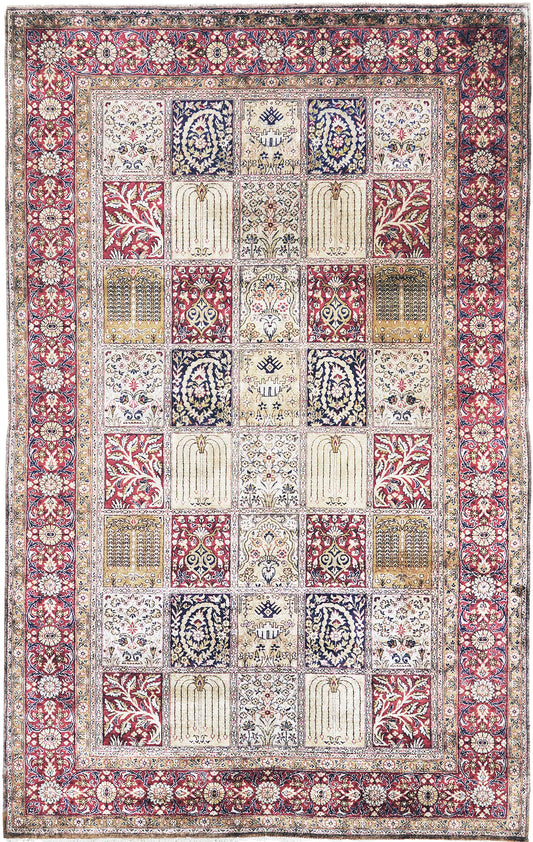
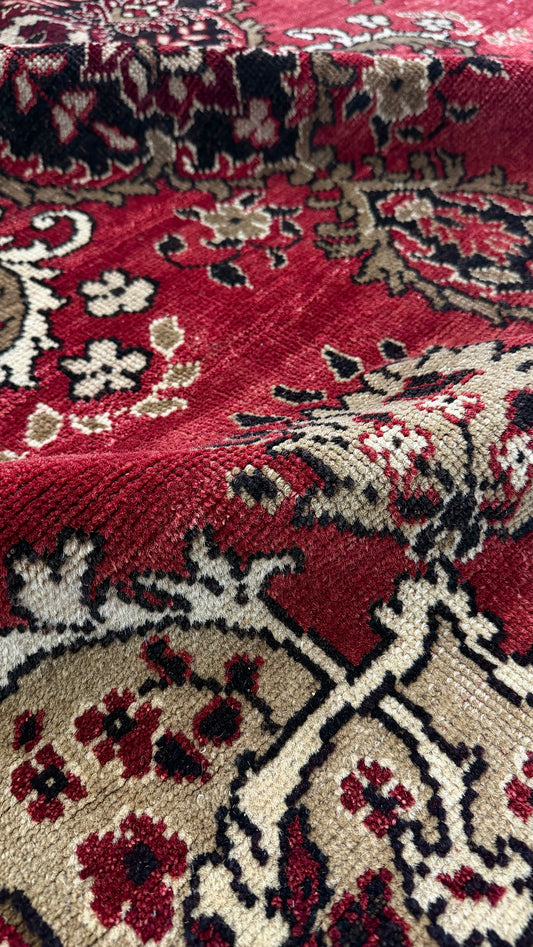
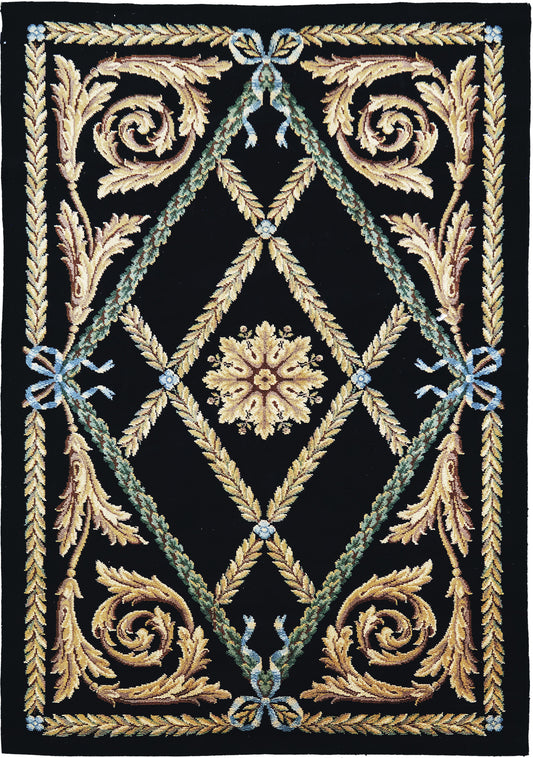
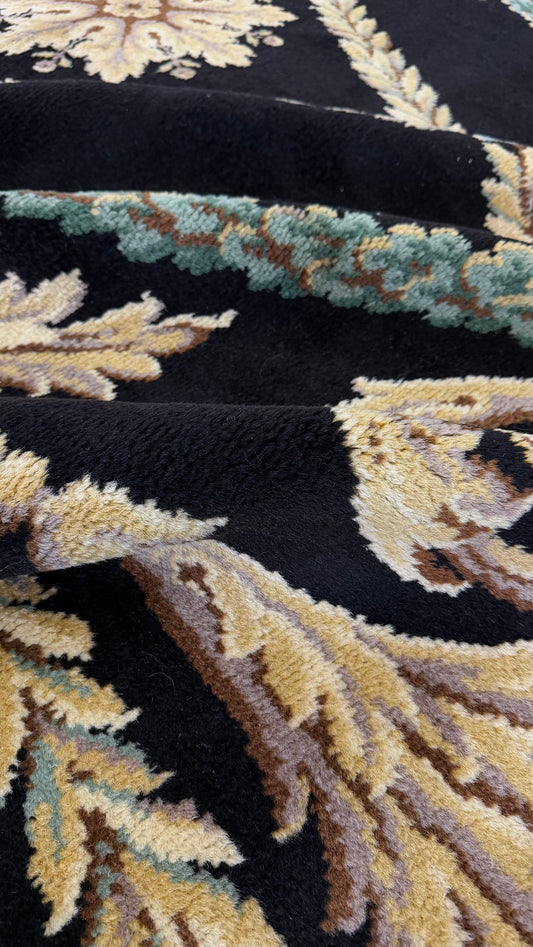
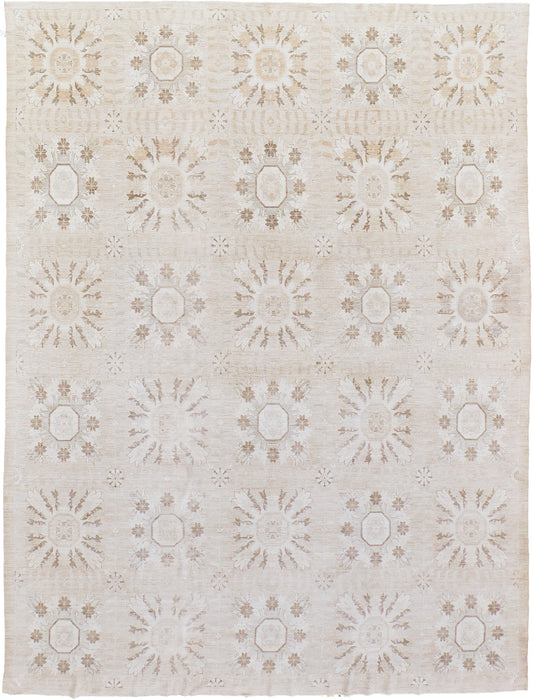
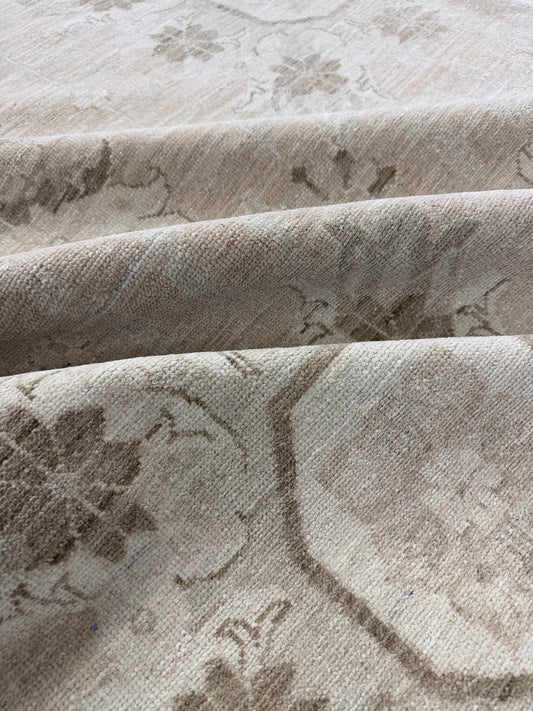
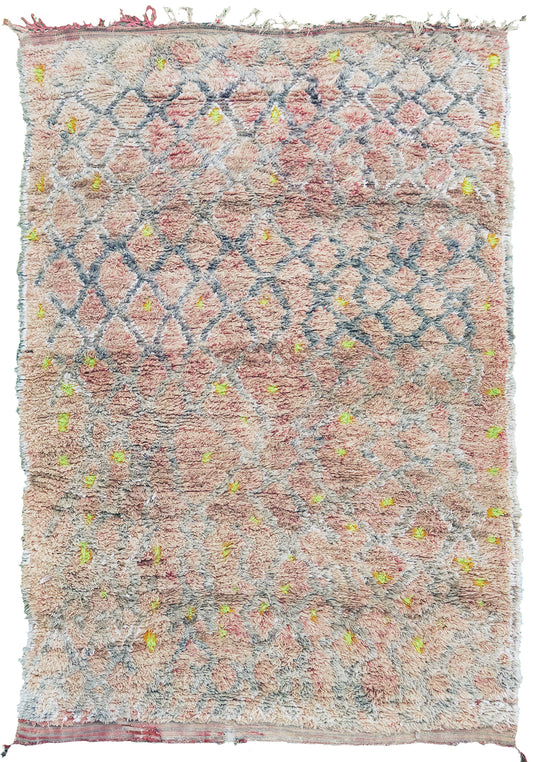
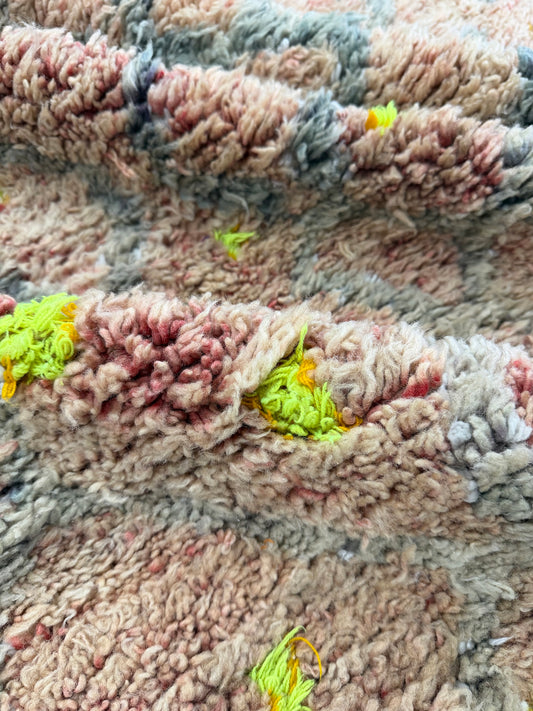
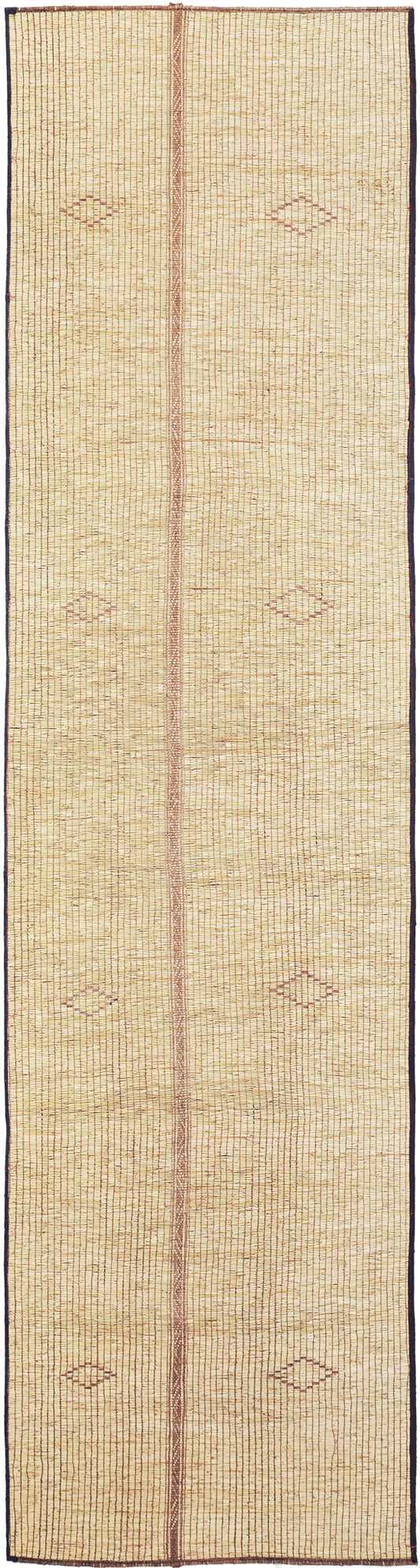
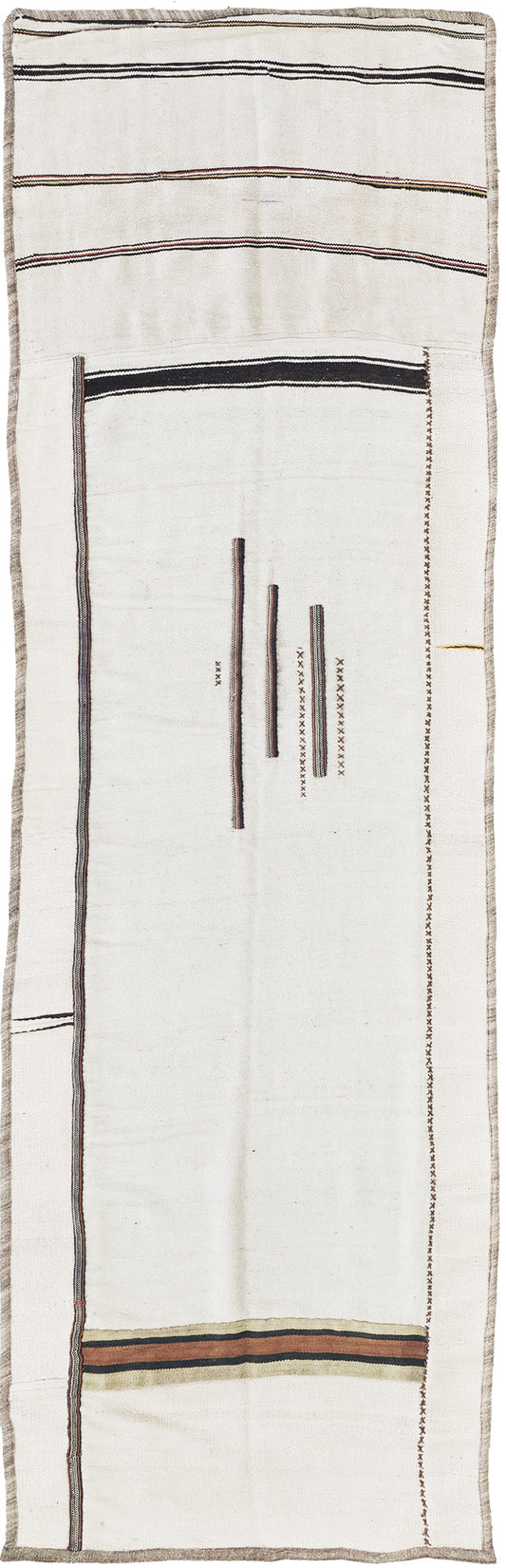


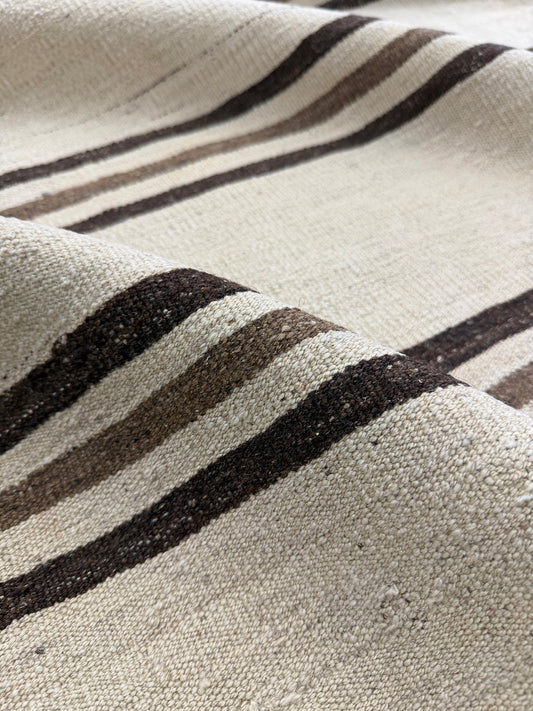
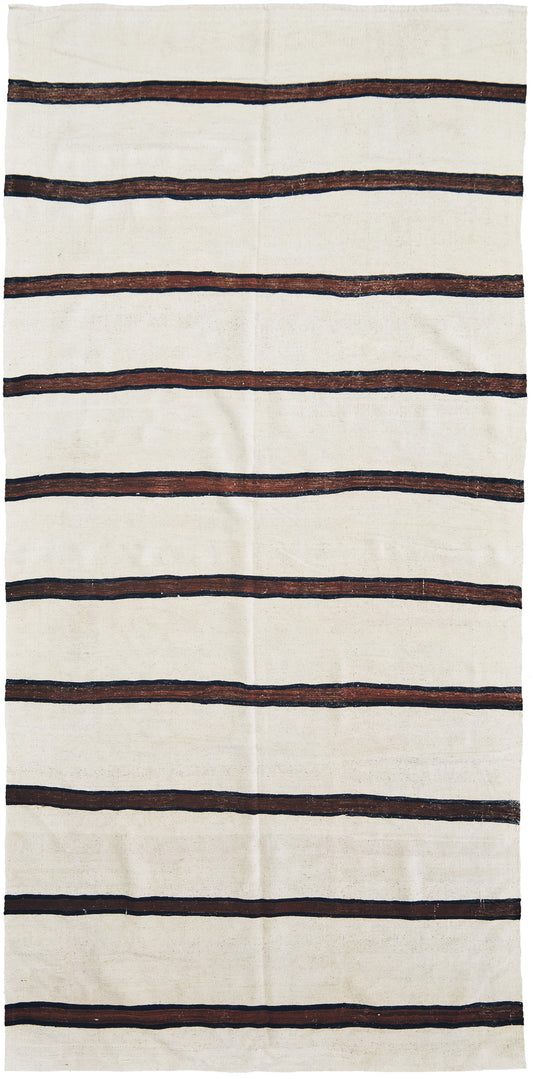
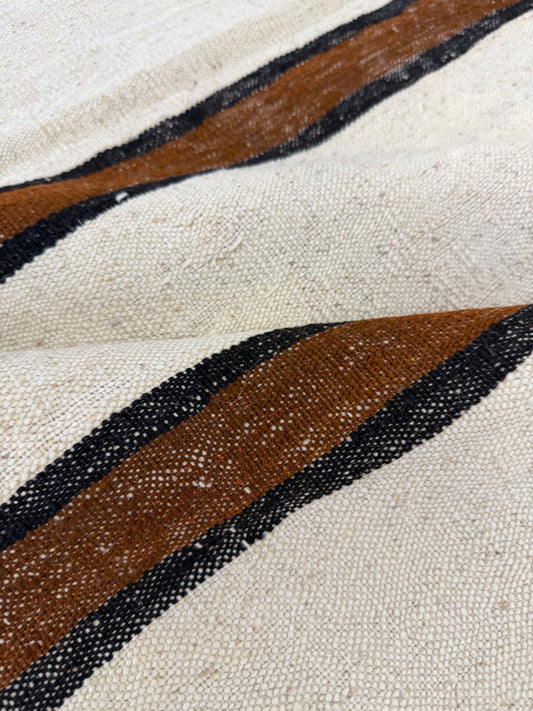
Collapsible content
Vintage Rugs Crafted by Hand and Time
Vintage rugs carry the marks of real use, skilled hands, and years of quiet aging. Each piece reflects traditional craftsmanship shaped by natural materials, regional techniques, and time itself.
Unlike newly made rugs, vintage rugs gain character as they age. Their texture softens, colors mellow, and patterns settle into a look that feels lived-in rather than manufactured.
What Defines True Vintage Rugs
Vintage rugs are typically handmade pieces produced several decades ago, often between 20 and 100 years old. Age alone does not define them, as craftsmanship and materials play a larger role in their lasting value.
What sets vintage rugs apart is the way they were made. These rugs were woven by hand using traditional methods long before mass production became common.
Hand Knotted Construction and Traditional Weaving
Most authentic vintage rugs are hand-knotted, a process where each knot is tied individually onto the foundation. This technique creates strength, flexibility, and a surface that wears evenly over time.
The weaving process could take months or even years to complete a single rug. Tribal, village, and workshop styles vary, but all rely on skill passed down through generations rather than machinery.
Natural Wool and Fibers Used in Vintage Rugs
Wool is the primary material used in vintage rugs, prized for its resilience and warmth. Hand-spun wool fibers create a surface that feels rich underfoot while holding up well in daily living spaces.
Natural fibers respond to age differently than synthetic ones. Instead of breaking down, they soften and develop texture, which is why many vintage rugs feel better today than when they were first woven.
Natural Dyes and Organic Color Aging
Traditional rug makers used dyes derived from plants, roots, insects, and minerals. These natural dyes penetrate wool fibers deeply, allowing color to fade slowly and unevenly over time.
This organic aging creates the layered tones seen in vintage rugs. Rather than flat or uniform color, the surface shows subtle shifts that add depth and visual interest.
Regional Craft Traditions Behind Vintage Rugs
Where a rug was made influences its patterns, color palette, and weaving style. Regional traditions shape every design choice, from border layouts to knot density.
For example, geometric patterns and earthy tones are often seen in rugs similar to those found in Mehraban’s Morocco-inspired collections, while intricate motifs and balanced symmetry are common in pieces related to classic Persia weaving traditions.
You can explore related styles through Mehraban’s curated selections of Moroccan rugs and Persian rugs, as well as their collection of Turkish rugs known for refined patterns and durable construction.
Signs of Authentic Craftsmanship in Vintage Rugs
Authentic vintage rugs show subtle irregularities that confirm they were made by hand. Slight variations in knot size, line alignment, and pattern spacing are normal and expected.
Wear patterns also tell a story. Areas of gentle fading or thinning reflect real use rather than damage, adding to the rug’s authenticity and visual appeal.
Why Craftsmanship Makes Vintage Rugs Last
Hand-knotted construction distributes tension evenly across the rug. This allows vintage rugs to handle foot traffic without unraveling or losing structure.
High-quality wool and natural dyes contribute to longevity. These materials age gracefully, making vintage rugs suitable for living rooms, dining areas, and other frequently used spaces.
How Mehraban Selects and Curates Vintage Rugs
Mehraban focuses on craftsmanship, condition, and originality when selecting vintage rugs. Each piece is evaluated for structural integrity, material quality, and visual balance.
Careful restoration may be applied when needed, always respecting the rug’s original character. The goal is preservation, not perfection.
How to Choose a Vintage Rug Based on Craft and Material
When selecting vintage rugs, consider how the rug was made and how it will be used. Dense knotting and sturdy wool are ideal for active rooms, while lighter weaves suit quieter spaces.
Texture, tone, and visible wear should feel intentional rather than distracting. A well-chosen vintage rug complements its environment while standing confidently on its own.
Browse Mehraban’s Vintage Rugs Collection
Each rug in Mehraban’s collection reflects decades of craftsmanship and natural aging. These pieces offer individuality, durability, and a sense of history that new rugs cannot replicate.
Exploring vintage rugs is not about finding perfection. It is about finding a piece that feels right in both form and function.
Frequently Asked Questions
How are vintage rugs different from antique rugs
Antique rugs are generally over 100 years old, while vintage rugs are typically between 20 and 100 years old. Both are made using traditional hand-knotting techniques and natural materials such as wool and cotton. Because vintage rugs are newer, they often have stronger structural integrity and can better handle daily foot traffic. This makes vintage rugs a more practical option for living spaces while still preserving the craftsmanship and character associated with older rugs.
Are vintage rugs durable enough for daily use?
Yes, vintage rugs are durable enough for daily use because they are typically hand-knotted with dense wool fibers designed to withstand constant foot traffic. Traditional knotting techniques distribute stress evenly across the rug, which helps prevent unraveling and structural failure over time. The wool used in vintage rugs is naturally resilient and contains lanolin, a property that helps resist dirt and wear. When properly cared for, many vintage rugs continue to perform well in living rooms, dining areas, and other high-use spaces for decades.
How can I tell if a vintage rug is authentic?
You can identify an authentic vintage rug by looking for signs of hand weaving such as uneven knot sizes, slight pattern shifts, and irregular edges. The back of the rug should reveal individual knots rather than a uniform, printed or glued surface. Natural wear appears gradually in high-traffic areas and looks softened rather than damaged or frayed. Color depth in authentic vintage rugs comes from natural dyes, which create subtle variations instead of flat or perfectly consistent tones.
Do vintage rugs work in modern homes?
Yes, vintage rugs work well in modern homes because their texture and layered color soften clean lines and neutral interiors. Handwoven patterns add visual depth that prevents minimalist spaces from feeling flat or sterile. The muted tones created by natural dye aging blend easily with contemporary furniture and materials. This contrast allows vintage rugs to anchor a room without overpowering modern design elements.
Are restored vintage rugs still considered vintage?
Yes, restored vintage rugs are still considered vintage as long as the restoration preserves the rug’s original materials, structure, and design. Professional restoration focuses on stabilizing weak areas, securing knots, and reinforcing foundations without altering the original weave. Natural dyes and period-appropriate fibers are typically used to maintain visual consistency. When done correctly, restoration extends the rug’s lifespan without reducing its historical or material value.
View All Traditional Rugs
-
Antique Persian Ghashghaei Patchwork Kilim Runner
Regular price $15,000.00 USDRegular price Sale price $15,000.00 USDUnit price per -
Antique Persian Ghashghaei Patchwork Kilim
Regular price $18,000.00 USDRegular price Sale price $18,000.00 USDUnit price per -
Antique Persian Tabriz
Regular price $18,500.00 USDRegular price Sale price $18,500.00 USDUnit price per -
Antique Persian Malayer
Regular price $28,500.00 USDRegular price Sale price $28,500.00 USDUnit price per

-
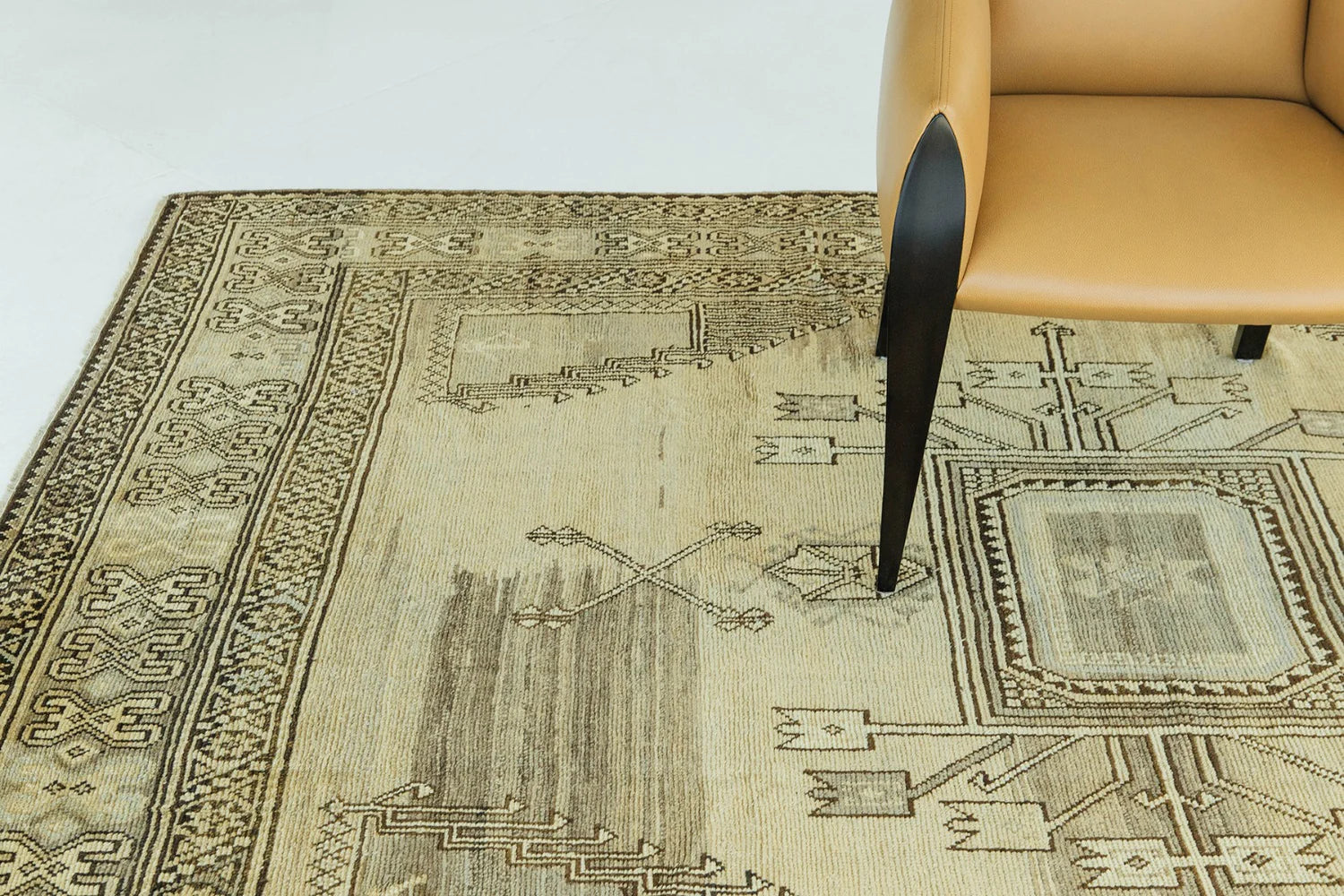
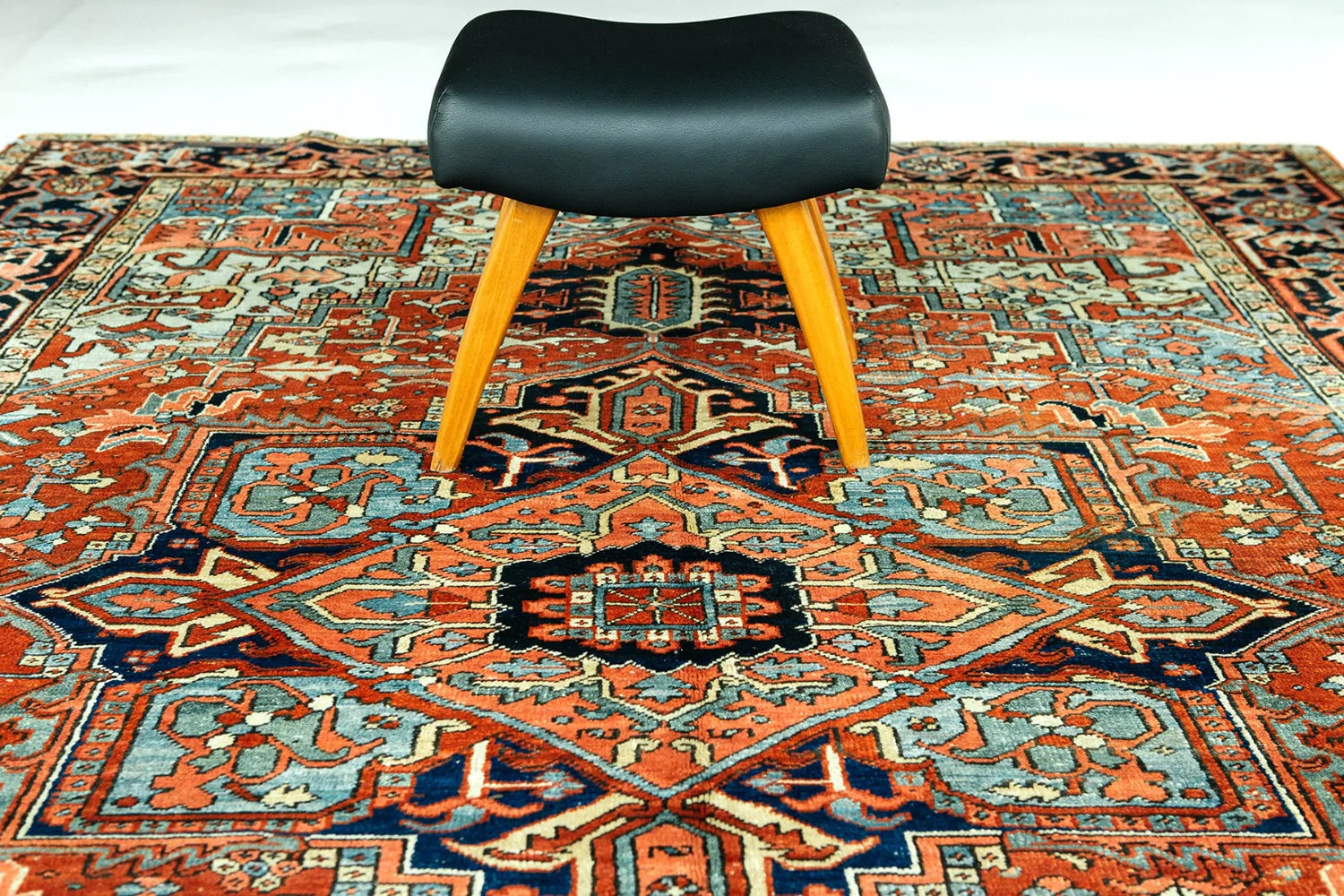
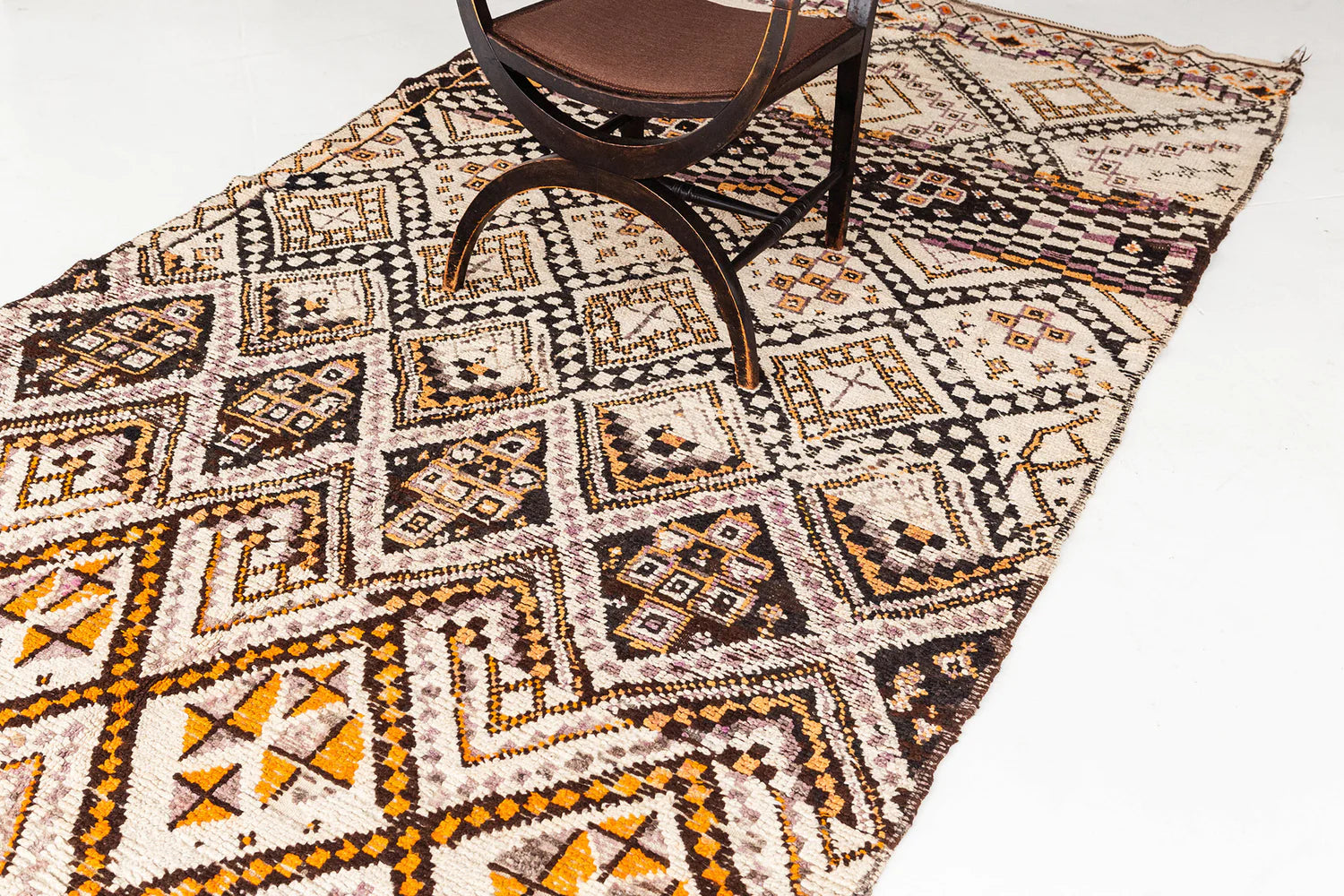
Vintage Turkish Rugs
Vintage Turkish rugs are handwoven rugs that are made in Turkey and...
-
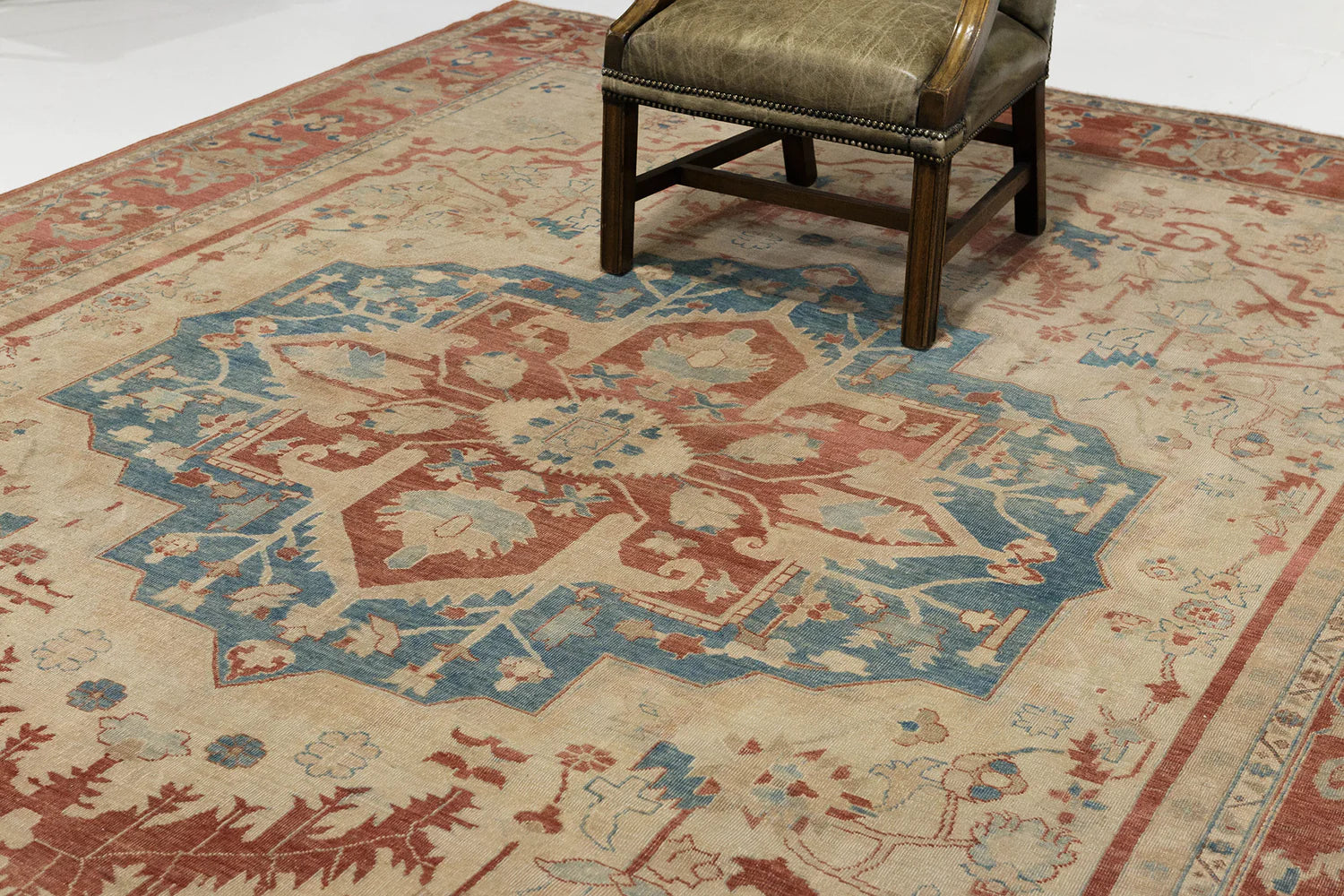
Antique Rugs
Antique rugs bring warmth, character, and balance to a room without feeling...