The Beauty of a Persian Rug: Why They Continue to be an Interior Design Staple
Persian rug have a rich and complex history that is intrinsically linked to the culture and customs of the regions of Iran and surrounding countries. For centuries, these hand-crafted rugs have been used to add beauty and elegance to homes all over the world.
Typically made from wool or silk, these rugs feature intricate patterns and designs that reflect Persian culture and heritage. The history of Persian rugs is a fascinating story that is steeped in tradition and trade and dates back to the 6th century BCE.
In Persia, rugs were often used as currency, and they were exchanged as gifts between rulers. The popularity of these oriental rugs continued to grow, and by the 19th century, they were being exported to Europe and America and coveted by royalty and nobility all over the world. Today, Persian rugs are still highly prized works of art.
Handmade Rugs
A Persian rug is traditionally handwoven by highly skilled artisans, a process that can take months or years to complete. First, the weaver prepares a loom with the warp, the foundation into which the rug will be woven.
Then, the weaver knots each individual strand of wool or silk onto the warp. There are many variations in warp and knot structures used around the world. The motifs of a rug vary significantly across geography and time, and can be key in identifying a rug’s provenance using a variety of traditional patterns and colors.
As the rug starts to take shape, the weaver adds additional details, such as a central medallion and floral-shaped motifs known as Guls or Gols. Once the rug knotting is finished, the rug is removed from the loom, edges are bound, and the rug is washed and stretched. In commercialized productions, the rug undergoes a series of quality control tests to ensure that it meets the highest standards.
Persian rugs are made by a wide variety of methods, from the most traditional hand-knotting technique to more modern power-loomed methods. The quality of a Persian rug is determined not only by the materials used, but also the fineness of weave, and the skill of the artisans who creates it.
Rugs made with hand-spun wool and natural dyes will typically be of higher quality than those made with synthetic materials. As a result, Persian rugs can vary widely in price and quality.
Preparing the fibers
One of the secrets to the longevity of a fine Persian rug is the care that goes into preparing the fibers before they are woven. The process begins by sorting the fibers according to color and quality.
The best fibers are set aside for the rug's pile, while the others are used for the foundation and backing. The next step is to wash the fibers, which helps to remove any impurities and make them more pliable.
Once they are clean, the fibers are ready to be dyed. This is done using a variety of natural dyes, which give Persian rugs their characteristic rich hues. With the fibers dyed and sorted, the weaver can finally begin to create a work of art that will be enjoyed for generations to come.
Traditional dyes used on Persian Rugs
Rugs from Iran are renowned for their intricate designs, their high quality and vibrant and beautiful colors. Often made with natural dyes, their colors range from soft earth tones to rich jewel tones.
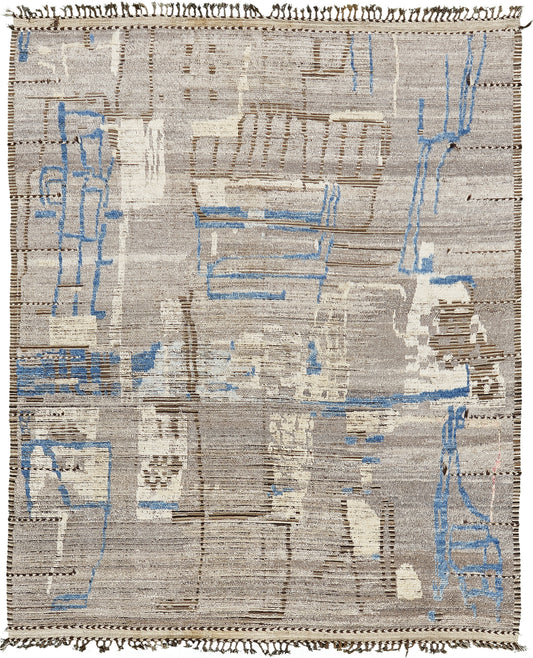
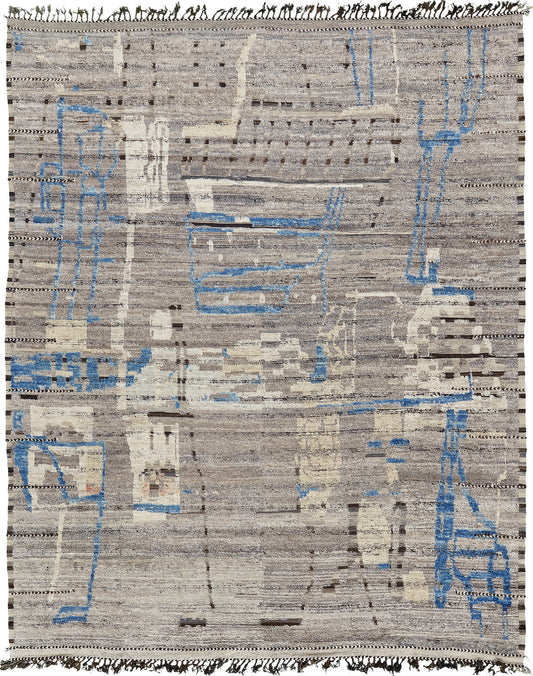
Weavers have been using natural dyes for centuries, and the traditional dyeing process is an integral part of Persian rug making. Common natural dyes used are madder root, walnut hulls and indigo, to create the treasured Blue Persian Rug.
Madder root typically produces shades of red, while indigo creates blues and greens. Walnut hulls produce a dark brown color that is often used to create contrast.
To dye the fibers for these exquisite rugs, the artisans must follow a painstaking process that has been passed down through generations. First, the wool, silk or cotton is soaked in a vat of lime water.
This prepares the fibers for dyeing and also helps to set the colors. Next, the fabric is dipped into the dye bath. The fibers are then placed in the sun to dry, before being washed in fresh water. This final step helps to ensure that the colors will not bleed or fade over time. Thanks to this labor-intensive process, Persian rugs are prized for their beauty, durability, and craftsmanship and last for decades with proper care. In addition, the tight weave helps to protect against wear and tear, while the dense pile helps to resist dirt and stains.
A persian rug is a beautiful and luxurious addition to any home. Not only do they add a touch of elegance and sophistication, but they are also a great investment as their value tends to appreciate over time.
What makes a Persian rug special?
A Persian rug stand out for their exceptional craftsmanship and symbolic designs. Each rug is hand-knotted with precision, often taking months—or even years—to complete. Patterns such as medallions, arabesques, and botanical motifs are steeped in history, carrying cultural significance that connects past generations to the present. The use of natural dyes and high-quality wool or silk ensures both beauty and longevity, making Persian rugs heirloom pieces that age gracefully.
Are Persian rugs handmade?
Yes, an authentic Persian rug is always handmade, using techniques passed down through generations of artisans. Every knot is tied by hand, creating subtle variations that add to the rug’s uniqueness. Unlike machine-made rugs, which are uniform and mass-produced, handmade Persian rugs showcase the weaver’s skill and creativity—resulting in one-of-a-kind works of art that cannot be replicated.
What types of Persian rugs exist?
Persian rugs come in many regional styles, each with its own identity. The most well-known types include:
-
Tabriz Rugs – Famous for their fine knots and intricate designs, often featuring central medallions.
-
Kashan Rugs – Known for rich reds and blues, with elegant floral motifs.
-
Heriz Rugs – Recognized by bold geometric patterns and strong durability, ideal for everyday use.
-
Qom Rugs – Woven from silk, these rugs are prized for their luminous sheen and delicate artistry.
-
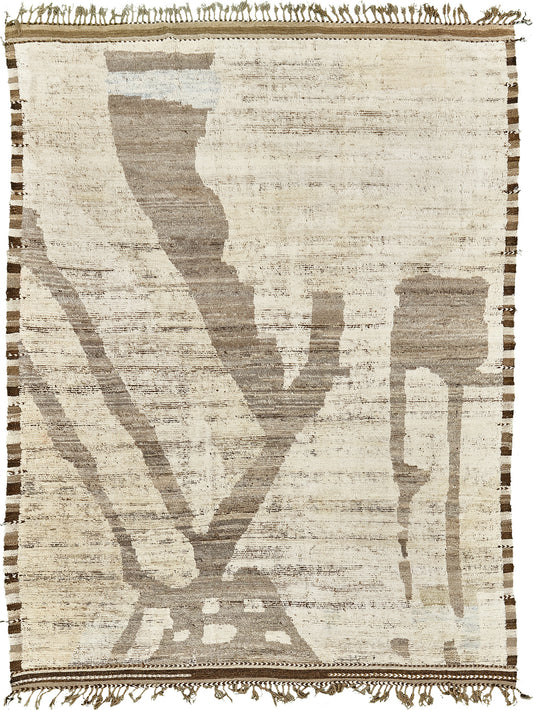
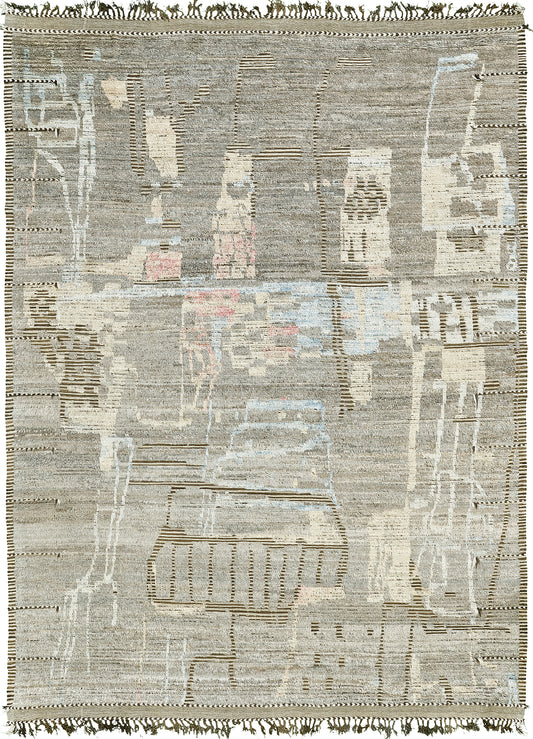
Gabbeh Rugs – Simple, tribal rugs with abstract designs, often in bold colors.
This diversity allows collectors and homeowners to find a rug that matches both personal taste and interior style.
How do Persian rugs fit into modern interiors?
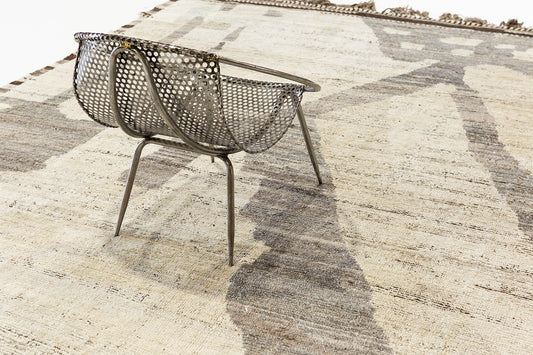
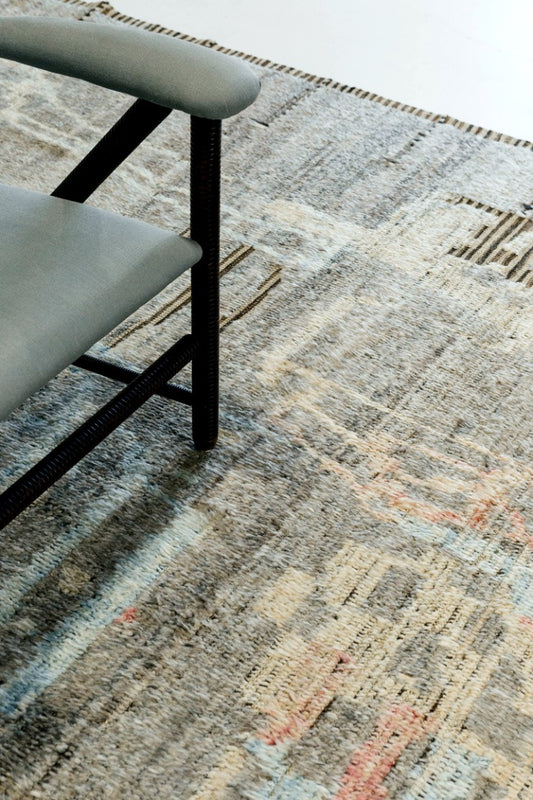
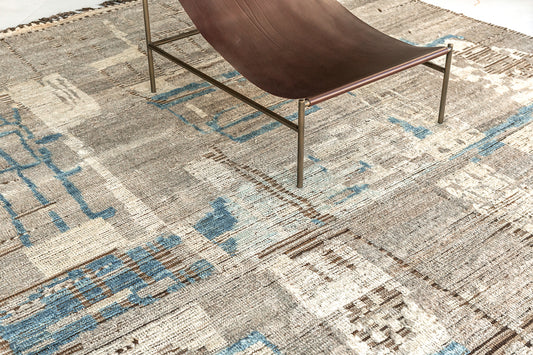
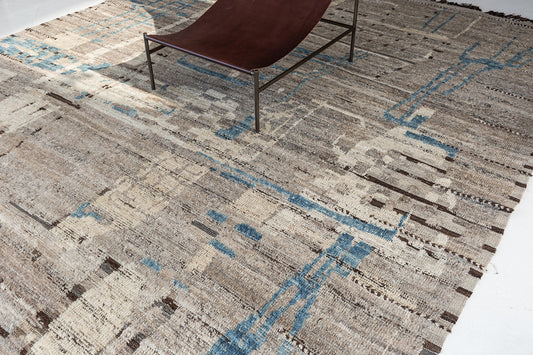
Persian rugs bring warmth, texture, and sophistication to modern interiors by serving as both functional floor coverings and artistic statements. In minimalist spaces, they add color and depth; in eclectic or bohemian rooms, their intricate patterns layer beautifully with other elements. Designers often place them in living rooms, dining areas, or bedrooms as anchor pieces that tie the entire design together. Even in contemporary homes, Persian rugs seamlessly bridge tradition with modern aesthetics.
How should I care for a Persian rug?
Caring for a Persian rug begins with simple, consistent practices. Vacuum regularly to prevent dirt from settling into the fibers, and rotate the rug every few months to ensure even wear. Keep rugs out of direct sunlight to preserve the vibrancy of natural dyes, and schedule professional cleaning every 1–2 years. With proper care, a Persian rug not only retains its beauty but also becomes more valuable over time, making it an investment as much as a design choice.
Why choose Mehraban for Persian rugs?
Mehraban is trusted for sourcing authentic, high-quality Persian rugs that blend history with modern design needs. Our collection spans both traditional masterpieces and rare finds, ensuring that every piece is hand-selected for its artistry, durability, and beauty. By working directly with collectors and artisans, we bring you rugs that are both culturally significant and perfectly suited for your space. When you choose Mehraban, you’re choosing expertise, authenticity, and timeless elegance.
How can I tell if a Persian rug is authentic?
Look for hand-knotted construction, natural dyes, and slight irregularities in the weave—these are hallmarks of authenticity. Buying from a reputable source like Mehraban ensures quality.
Are Persian rugs valuable?
Yes, Persian rugs are considered valuable due to their craftsmanship, natural materials, and cultural heritage. Over time, many even appreciate in value.
What materials are Persian rugs made from?
Most are made from wool, silk, or a combination of both. Wool rugs are durable and soft, while silk rugs are luxurious with a distinctive sheen.
Can Persian rugs work in small spaces?
Absolutely. Persian rugs come in all sizes, from runners to large room pieces, making them versatile for hallways, bedrooms, or intimate seating areas.
How long do Persian rugs last?
With proper care, Persian rugs can last for generations, often being passed down as family heirlooms.
Discover Mehraban’s Persian Rugs Collection
A Persian rug is more than décor—it’s a living piece of art that elevates your home. At Mehraban, we offer a curated selection of Persian rugs that combine authenticity, craftsmanship, and timeless style. Browse our collection online or visit our showroom to find the perfect piece that speaks to your story.
Discover our Curated Collection of Green Persian Rugs and Red Persian Rugs